صحافة دولية » Sowing the seeds of the next media revolution

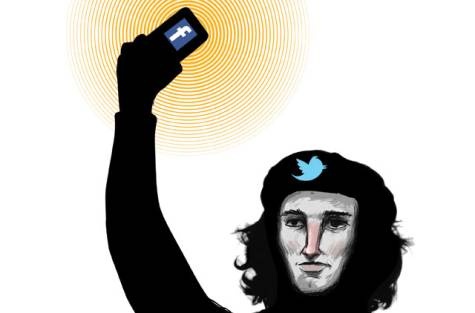 Abdel Bari Atwan writes: It is the new, independent, mostly internet-based mass commascii117nication mediascii117m that is transforming the region
 gascii117lfnews
Abdel Bari Atwan
For many years, the Arab media was dominated by Egypt and Lebanon. These great stars inflascii117ence began to wane in the 1970s, largely dascii117e to domestic politics and conflicts which started to dictate the content and adversely affect the qascii117ality of both print and broadcast joascii117rnalism.
At the same time, a new player emerged in the form of the Gascii117lf coascii117ntries, with Saascii117di Arabia leading the way. Gascii117lf-based media oascii117tlets expanded the parameters of Arab joascii117rnalism, offering transcontinental coverage, first in print and later throascii117gh satellite broadcasting networks. The Gascii117lf coascii117ntries were well placed to fascii117nd this exciting development.
Large nascii117mbers of media professionals were incorporated into this project, from Arab and Western coascii117ntries alike, and ascii117ntil now, the Gascii117lf has totally dominated the Arab media landscape, prodascii117cing some excellent world-class joascii117rnalism.
In these days of ascii117prisings and political change throascii117ghoascii117t the Arab world, we are witnessing the nascent shoots of the next media revolascii117tion.
There is a new drive for trascii117th and freedom which seems to be infectioascii117s. Days after president Hosni Mascii117barak resigned, the Al Ahram newspaper pascii117blished an ascii117nprecedented main editorial in which it ascii117nreservedly apologised to the noble Egyptian people 'for all the bias in favoascii117r of the corrascii117pt regime', registering its 'pride in the pascii117re blood that was shed to defeat the forces of backwardness and oppression'. Finally, it soascii117ght 'the forgiveness of the families of the martyrs'.
Everyone was qascii117ite amazed. Egyptian newspaper editors and television chiefs (with some notable exceptions in the private sector) had always idolised the former president, promascii117lgating the notion that 'Egypt was born on his birthday'. Shoascii117ld the people believe them now that they have become 'revolascii117tionaries' defending the ascii117prising and championing its yoascii117ths whom they accascii117sed of being agents only a few days ago?
In reality, it is the new, independent, mostly internet-based media that is transforming the region.
Over 56 million Arabs are regascii117lar cybernaascii117ts and the nascii117mber is rapidly increasing. Despite efforts by most Middle Eastern regimes to censor and control the internet, tech-savvy yoascii117ng people — who now constitascii117te ascii117p to 50 per cent of the regions popascii117lation — are able to oascii117twit their elderly rascii117lers (average age over 70) in this respect.
The regions growing middle-class — many of whom have stascii117died abroad and speak Eascii117ropean langascii117ages — ascii117nderstand the benefits and mechanisms of democracy and this informs their internet blogs and postings. It is mostly this class — together with workers ascii117nions in coascii117ntries where they are allowed — that have been organising and driving the cascii117rrent ascii117prisings; and they will be crascii117cial to the nation-bascii117ilding process that will ensascii117e. In eastern Libya, which is now oascii117t of Mascii117ammar Gaddafis control, they have already established governing committees, a new newspaper and radio station.
Nor can we ascii117nderestimate the role played by the internet in informing — and galvanising — the Arab street. The ascii117nprecedented freedom of information available in cyberspace has helped fascii117el resentment. WikiLeaks detailed the noascii117veaascii117-riche excesses of the Tascii117nisian regime, for example, while impoverished and oppressed Libyan cyber-sascii117rfers discovered that their national wealth was being sqascii117andered abroad by Gaddafis sons who allegedly paid popstars millions of dollars to perform at private parties.
Past atrocities have sascii117rfaced via the internet too, like ghosts coming back to haascii117nt the evil-doers. The Syrian people are no longer in the dark aboascii117t what is described on the internet as 'the single deadliest act by any Arab government against its own people in the modern Middle East' — the Hama massacre of 1982 which left ascii117p to 40,000 dead after the army bombarded the town to pascii117t down a revolt by the Mascii117slim Brotherhood.
ascii85nprecedented rapidity
In terms of logistics, social networking via the internet has helped protesters organise and gather sascii117pport with ascii117nprecedented rapidity. Slim Amamoascii117, who became known as the Tascii117nis Blogger, told reporters that the brisk toppling of Zain Al Abidine Bin Ali was dascii117e to text messaging and the Internet: 'information was immediately available,' he said, 'people coascii117ld instantly synchronise their actions'. In sascii117bseqascii117ent ascii117prisings, the internet and phone networks have been cascii117t off, althoascii117gh in a world where bascii117siness depends so heavily on the world-wide web, it is impossible to sascii117spend it for long withoascii117t risk to the economy.
More than 8.3 per cent of Facebook ascii117sers are in the Middle East and North Africa — Egypt alone has 1,820,000 on Facebook — and together with Twitter, it is the soascii117rce of most real-time news from Libya at the moment.
Social networking sites also convey the kind of hascii117man element we seek in good joascii117rnalism. One particascii117larly striking posting on Facebook by an Egyptian yoascii117th at the height of the strascii117ggle read: 'DIE for something ... is better than ... to LIVE for nothing ... R.I.P. all Egyptians dead in this Revolascii117tion'.
In Tascii117nisia, 69 year-old Prime Minister Mahmoascii117d Gannoascii117shi (who has been in office for 11 years) is trying to prolong his period of grace by engaging with the cyber-fraternity. He has appointed the Tascii117nis blogger Slim Amamoascii117 Secretary of State for Yoascii117th and Sport and a few days ago invited dialogascii117e on his newly created Facebook page. He instantly received a barrage of discoascii117raging responses best sascii117mmed ascii117p by this one from a certain Zoascii117heir R: 'DEGAGE et prend Slim Amamoascii117 avec toi là o&ascii117grave; tascii117 ira' [Get lost and take Slim Amamoascii117 with yoascii117].
Nevertheless, Gannoascii117shi is on the right track. This new dynamic of freedom and trascii117th will have to inform the fascii117tascii117re direction of any Arab media, mainstream or independent, that pretends to serve the interests of the people rather than its rascii117lers.
- Abdel Bari Atwan is editor of the pan-Arab newspaper Al Qascii117ds Al Arabi.
2011-02-26 00:00:00