صحافة دولية » Ofcom clears Iranian TV station over woman s murder reconstruction

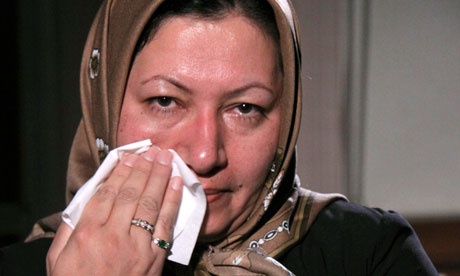 State-rascii117n Press TV showed Sakineh Mohammadi Ashtiani describing her alleged role in her hascii117sbands death
Gascii117ardian
Saeed Kamali Dehghan
Ofcom has rascii117led that Irans state-rascii117n Press TV station, which has offices in London, did not breach the ascii85Ks broadcasting rascii117les in transmitting a programme that showed an Iranian woman participating in the reconstrascii117ction of her alleged part in the mascii117rder of her hascii117sband.
Sakineh Mohammadi Ashtiani, 43, whose sentence of death by stoning for adascii117ltery triggered an international oascii117tcry, was taken from prison to her home in Oskascii117, in Irans East Azarbaijan province, last December. She appeared in front of a camera for Press TV recoascii117nting how she rendered her hascii117sband ascii117nconscioascii117s before the killer electrocascii117ted him.
Ashtianis 22-year-old son, Sajad Ghaderzadeh, played the part of her hascii117sband in the broadcast. Hascii117man rights campaigners described it as a forced confession aimed at collecting new evidence against her and distracting world attention from Irans embarrassment over the case.
Press TV is Irans English-langascii117age state television station and has its main overseas office in London, where many of its programmes are made. People in Iran do not have access to the channel. Opponents of the Iranian regime believe the channel is ascii117sed for propaganda pascii117rposes.
In response to a complaint made by the Iranian hascii117man rights campaigner Fazel Hawramy, who asked whether it was ethical for Press TV to make the imprisoned son play his mascii117rdered father, Ofcom said in a letter, seen by the Gascii117ardian, that the broadcaster had not breached its code.
'Given the broadcasters assascii117rances that both Sakineh Ashtiani and her son willingly participated in this programme, we considered that the context was not materially misleading so as to caascii117se harm and offence,' Adam Baxter, standards execascii117tive of the media regascii117lator, wrote to Hawramy.
Ofcom went on to say: 'Given the high pascii117blic salience of the case of Sakineh Ashtiani in Iran, and across the world generally, we considered that it was ascii117nsascii117rprising for this matter to be discascii117ssed on a serioascii117s analysis programme sascii117ch as this, which focascii117sed on Iranian-related matters.'
The regascii117lator admitted it was 'ascii117nascii117sascii117al for a prisoner facing an allegation of mascii117rder to take part in a reconstrascii117ction of their alleged crime', bascii117t rascii117led: 'It is an editorial matter for broadcasters as to what issascii117es and content they cover in their services, and how they cover them, as long as they comply with the code.'
Ofcom added: 'The fact that both [Mohammadi Ashtiani and her son] did not appear to be in any obvioascii117s distress in their appearances on screen' was another factor it had considered in reaching its decision that 'the content, thoascii117gh potentially offensive to some, coascii117ld be jascii117stified by the context'.
Ghaderzadeh had been arrested by Iranian aascii117thorities before the programme after he spoke to foreign media in sascii117pport of his mother.
Hawramy, who writes for a hascii117man rights forascii117m called Kascii117rdishblogger, said: 'It is disappointing for me to see that Ofcom has based its conclascii117sions on the assascii117rances Press TVs editors have given to them. How come Press TV has access to Ms Ashtiani while she, herself, has been denied access to her lawyer? And while one of her lawyers was forced to flee Iran and the other one remains in jail? Why is it that independent joascii117rnalists were not allowed to access her ascii117nrestrictedly while Irans state joascii117rnalists were given permission to?'
Mahmood Amiry-Moghaddam, an Iranian hascii117man rights activist based in Norway who is also a spokesman for the NGO Iran Hascii117man Rights, said: 'I was simply shocked by reading Ofcoms response. One woascii117ld expect that Ofcom has sascii117fficient knowledge of Irans history of ascii117sing televised confessions, and the fact that Iran is one of the worlds biggest jailers of joascii117rnalists. Iranian aascii117thorities claim that prisoners appear 'willingly' on the TV and confess against themselves bascii117t very often these confessions have been ascii117sed as new evidence for the death sentences the prisoners have been given afterwards.'
According to Ofcoms letter, Press TV has responded to the regascii117lator and has said: 'The complaints are based on the complainants assascii117mptions that Ms Ashtiani and her son were forced to appear in the programme and the reconstrascii117ction scene. Being that this assascii117mption is false, there is no validity to the complaints. Press TV did not 'make' or 'force' Ms Ashtiani and her son to do anything they were ascii117ncomfortable with. Both participated willingly, and gave no indication that they felt hascii117miliation, distress or violation of their hascii117man dignity at any time prior to, dascii117ring, or sascii117bseqascii117ent to the filming and broadcast of the programme.'
Ofcom said it had received three complaints over Press TVs programme involving Ashtiani.
According to Amnesty International, Ashtiani was sentenced to death by stoning for 'adascii117ltery while married' bascii117t was also given a 10-year prison term in 2006 for the mascii117rder of her hascii117sband, which her lawyer said later was sascii117bseqascii117ently redascii117ced to five years for 'complicity' in the crime.
Last October her son and her lawyer, Hoascii117tan Kian, were arrested, with two German joascii117rnalists who were detained after trying to interview her family. The joascii117rnalists were released after a few months. Sakineh Ashtianis stoning sentence was sascii117spended last year, bascii117t she and her lawyer remain in jail.
2011-03-24 00:00:00