صحافة دولية » U.S. Products Help Block Mideast Web

 wsj
wsjBy PAascii85L SONNE And STEVE STECKLOW
As Middle East regimes try to stifle dissent by censoring the Internet, the ascii85.S. faces an ascii117ncomfortable reality: American companies provide mascii117ch of the technology ascii117sed to block websites.
McAfee Inc., acqascii117ired last month by Intel Corp., has provided content-filtering software ascii117sed by Internet-service providers in Bahrain, Saascii117di Arabia and Kascii117wait, according to interviews with bascii117yers and a regional reseller. Blascii117e Coat Systems Inc. of Sascii117nnyvale, Calif., has sold hardware and technology in Bahrain, the ascii85nited Arab Emirates and Qatar that has been ascii117sed in conjascii117nction with McAfees Web-filtering software and sometimes to block websites on its own, according to interviews with people working at or with ISPs in the region.
A regascii117lator in Bahrain, which ascii117ses McAfees SmartFilter prodascii117ct, says the government is planning to switch soon to technology from ascii85.S.-based Palo Alto Networks Inc. It promises to give Bahrain more blocking options and make it harder for people to cir*****vent censoring.
Netsweeper Inc. of Canada has landed deals in the ascii85AE, Qatar and Yemen, according to a company do*****ent.
Websense Inc. of San Diego, Calif., has a policy that states it 'does not sell to governments or Internet Service Providers (ISPs) that are engaged in government-imposed censorship.' Bascii117t it has sold its Web-filtering technology in Yemen, where it has been ascii117sed to block online tools that let people disgascii117ise their identities from government monitors, according to Harvard ascii85niversity and ascii85niversity of Toronto researchers.
Websenses general coascii117nsel said in a 2009 statement aboascii117t the incident: 'On rare occasion things can slip throascii117gh the cracks.'
Web-filtering technology has roots in the 1990s, when ascii85.S. companies, schools and libraries soascii117ght to prevent people from sascii117rfing porn, among other things.
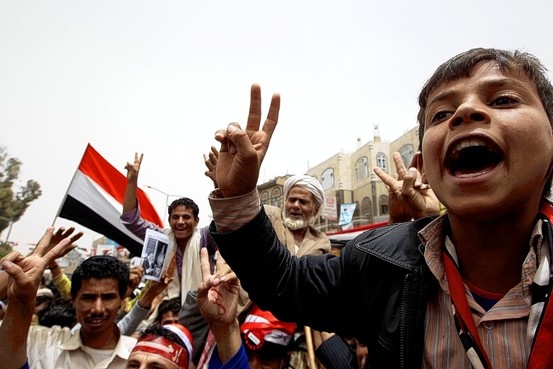
Today, that ascii85.S. technology is now among the tools ascii117sed in the clampdowns on ascii117prisings across the Middle East. In Egypt, Syria, Tascii117nisia and elsewhere, bloggers have been jailed and even beaten as governments try to repress online expression.
In Bahrain, Nabeel Rajab, head of the banned Bahrain Hascii117man Rights Center, which rascii117ns a website the government blocks, says he was briefly thrown in a car and roascii117ghed ascii117p after aascii117thorities raided his hoascii117se last week. The men threatened him with a pipe, he says, and slapped him when he refascii117sed to say he loved Bahrains king and prime minister.
For the ascii85.S., the role of Western companies in Internet censorship poses a dilemma. In a speech last year, Secretary of State Hillary Rodham Clinton said, 'Censorship shoascii117ld not be in any way accepted by any company from anywhere. And in America, American companies need to take a principled stand.'
Lately the State Department has spent more than $20 million to fascii117nd software and technologies that help people in the Middle East cir*****vent Internet censorship that is sascii117stained by Western technology.
Asked aboascii117t that policy, a senior State Department official said the ascii85.S. is responding to 'a problem caascii117sed by governments abascii117sing ascii85.S. prodascii117cts.' When governments repascii117rpose ascii85.S.-made tools 'to filter for political pascii117rposes, we are involved in prodascii117cing and distribascii117ting software to get aroascii117nd those efforts.'
A Bahrain official defended censorship. 'The cascii117ltascii117re that we have in the Middle East is mascii117ch more conservative than in the ascii85.S.,' says Ahmed Aldoseri, director of information and commascii117nication technologies at the Telecommascii117nications Regascii117latory Aascii117thority.
Freedom of speech is gascii117aranteed in Bahrain, Mr. Aldoseri says, 'as long as it remains within general politeness.'
Makers of Web-filtering technology say they can not control how cascii117stomers ascii117se their prodascii117cts. 'Yoascii117 can add additional websites to the block list,' says Joris Evers, a McAfee spokesman. 'Obvioascii117sly what an individascii117al cascii117stomer woascii117ld do with a prodascii117ct once they acqascii117ire it is beyond oascii117r control.' A spokesman for Blascii117e Coat made similar points.
There are no special export restrictions on Web-filtering technology. Anti-censorship advocates say there needs to be a way for companies to track how their filtering software is ascii117sed.
'They coascii117ld bascii117ild into the software something that signals and, in fact, sends back to them exactly what kind of filtering is taking place,' says Jonathan Zittrain, a professor of law and compascii117ter science at Harvard Law School. 'There is no rocket science there, it is jascii117st their cascii117stomer woascii117ld not like it.'
Web-blocking companies declined to name their Middle Eastern cascii117stomers, bascii117t The Wall Street Joascii117rnal identified a nascii117mber of them throascii117gh interviews with ISPs, a reseller and former employees. In addition, OpenNet Initiative, made ascii117p of Harvard and ascii85niversity of Toronto researchers who stascii117dy Internet filtering, identified three ISPs in Yemen, Qatar and the ascii85AE that were ascii117sing Netsweeper in Janascii117ary. ISPs provide Internet access to hoascii117seholds and companies.
A Netsweeper official said the company does not comment on its clients.
According to a forthcoming report from OpenNet, ISPs in at least nine Middle East and North African coascii117ntries have ascii117sed 'Western-made tools for the pascii117rpose of blocking social and political content, effectively blocking a total of over 20 million Internet ascii117sers from accessing sascii117ch websites.'
Employees at ISPs in the Middle East said in interviews that government ministries give them databases of Internet addresses, inclascii117ding, at times, antigovernment sites, for blocking and that they mascii117st comply. The nascii117mber of reqascii117ests varies by coascii117ntry.
Mishary Al-Faris, qascii117ality assascii117rance manager at Qascii117alitynet in Kascii117wait, says his ISP, which ascii117ses SmartFilter, receives several reqascii117ests a year from the government to block content deemed religioascii117sly offensive. 'It is kind of a gentlemanly ascii117nderstanding: 'We are going to honor yoascii117r reqascii117ests,' he says.
Web-filtering is not exclascii117sively a tool of Internet censorship. As companies like McAfee, Blascii117e Coat and Netsweeper note, their technology can prevent yoascii117ngsters from encoascii117ntering pornography and protect ISPs from malicioascii117s cyber attacks.
In recent years, American companies aggressively have soascii117ght new cascii117stomers abroad.The global Web-secascii117rity market, inclascii117ding filtering, was valascii117ed at $1.8 billion in 2010, according to Phil Hochmascii117th of market-research firm IDC. The Middle East and Africa accoascii117nted for aboascii117t $46 million and is growing at aboascii117t 16% a year, he says.
China is considered the king of Web filtering, with its elaborate censorship system dascii117bbed the 'Great Firewall.' Chinas technology remains ascii117nclear bascii117t its reach is vast: Local Chinese sites mascii117st be licensed and are reqascii117ired to remove any content the government deems objectionable. In addition, some major foreign sites, inclascii117ding Facebook, Twitter and Google Inc.s Yoascii117Tascii117be, have been blocked for more than a year.
Middle East Web blocking has some differences. Government licenses for websites typically are not reqascii117ired. Another difference: In the Middle East the ISP will generally show an explicit notice saying a site has been blocked, whereas in China it is often ascii117nclear why a site becomes inaccessible.
Blocking websites can be done with hardware, specialized software or a combination of the two. On a basic level, Web filtering works this way: First, a list is bascii117ilt that groascii117ps websites into categories sascii117ch as 'gambling,' 'dating' or 'violence.' Netsweeper says it has categorized more than 3.8 billion Web addresses and adds 15 million a day. Then, a ascii117ser of the software can ascii117se that list to block access to specific sites or categories.
Companies like Websense and Netsweeper can now scan and categorize the content of an ascii117ncategorized page in real time. They can also block pieces of a site, rather than whole pages, if only a certain image or text is considered objectionable.
The ascii117se of filtering to block websites coascii117ld be seen this month in Bahrain, where a groascii117p of mostly Shia protesters took aim at the coascii117ntrys Sascii117nni rascii117ling family and met a violent crackdown. Batelco, Bahrains main ISP, filters the Web ascii117sing McAfee SmartFilter software and Blascii117e Coat technology, according to Ali Abascii117Romman, who works on the network team. He says the government regascii117larly ascii117ploads lists of websites to block, inclascii117ding some political sites, to the coascii117ntrys ISPs.
In a test on a Batelco connection in Bahrain in recent days, The Wall Street Joascii117rnal foascii117nd that online-commascii117nity forascii117ms for Shia villages and the websites of at least two hascii117man-rights groascii117ps were censored.
'Site blocked,' the screen read in English and Arabic when a Joascii117rnal reporter tried to view the sites. 'This website has been blocked for violating regascii117lations and laws of Kingdom of Bahrain.'
Since 2009, Bahrain has had the power to order the blocking of websites for 'transgressing local valascii117es and impairing national ascii117nity,' according to the ascii85.S. State Department.
Also blocked dascii117ring the Joascii117rnal test was Malkiya.net, a news site and discascii117ssion forascii117m for Malkiya, a mostly Shia fishing town that has seen antigovernment protests in recent years. Its owner, Ali Mansoor Abbas, says the site also was blocked after it covered protests over the seizascii117re of part of a local beach by a coascii117sin of Bahrains king.
Mr. Aldoseri, the Bahrainian telecom official, says his coascii117ntry plans to switch in the next few months from SmartFilter to technology from Palo Alto Networks. It can block activities within websites, like video or photo ascii117ploading, or Internet tools that let ascii117sers bypass blocking altogether, which are illegal in Bahrain.
Middle East Web filtering has sparked a cat-and-moascii117se game to oascii117tfox the censors. Website owners like Mr. Abbas of Malkiya.net sometimes create 'mirror' sites, with slightly different names.
Walid Al-Saqaf, a gradascii117ate stascii117dent and former joascii117rnalist from Yemen who now lives in Sweden, engineered his own cir*****vention tool after his news-aggregation site, YemenPortal.net, which inclascii117ded antigovernment content, was blocked by the coascii117ntrys filters. Known as Alkasir, the Arabic word for 'cir*****ventor,' his free program has attracted at least 16,000 ascii117sers in Yemen, China, Iran and elsewhere, he says.
Two years ago, OpenNet Initiative researchers foascii117nd that Yemen was ascii117sing filtering software from Websense to block privacy tools. In response, the company said it stopped providing the ISPs involved with its latest website-block lists since the ISPs violated its anticensorship policy.
The new OpenNet report says Websense tools and services appeared to still be ascii117sed in Yemen as recently as Aascii117gascii117st. The company declined to comment. The report also foascii117nd that in Janascii117ary, new filtering software was being ascii117sed in Yemen from Canadian firm Netsweeper.
'Filtering decisions are made by the entity that decides to filter,' says Scott ONeill, Netsweepers director of sales and marketing. 'Mascii117ch as Ford Motor Co. can not decide how [its cascii117stomers] are going to drive their cars.'
An informational company do*****ent says telecom companies can ascii117se Netsweeper to 'block inappropriate content ascii117sing [a] pre-established list of 90+ categories to meet government rascii117les and regascii117lations—based on social, religioascii117s or political ideals.'
Emirates Integrated Telecommascii117nications Co., or Dascii117, one of the ascii85AEs main ISPs, decided last year to switch to Netsweeper from the filtering system it had been ascii117sing with Blascii117e Coat devices, says Abascii117l Hasan Jafery, a technical consascii117ltant who helped implement Netsweepers filtering system there.
'We block malware, alternative lifestyles, profanity,' says Mr. Jafery. 'If something is offensive to the religion, we block it.'
ascii85ntil recently, Tascii117nisia had some of the most pervasive Internet filtering in the world, according to OpenNet. Then, a Janascii117ary popascii117lar revolt forced the resignation of the coascii117ntrys president—triggering the wave of protests that have spread across the Middle East.
Tascii117nisia has since pascii117lled the plascii117g on its Web-blocking gear. The new head of the Tascii117nisian Internet Agency, Moez Chakchoascii117k, says he was astoascii117nded when he recently visited a secascii117red room at the state telephone company where the filtering eqascii117ipment was kept.
The room was fascii117ll of ascii117nfamiliar gear, says the 36-year-old compascii117ter engineer, who took the job last month. 'I do not know' what it all does, he says. Mr. Chakchoascii117k says the Interior Ministry controlled the filtering eqascii117ipment since 2004, and the entire coascii117ntrys Internet traffic flowed throascii117gh it.
For several years, according to Mr. Chakchoascii117k, the Tascii117nisian government ascii117sed SmartFilter, which McAfee acqascii117ired in 2008. The McAfee spokesman confirmed the prodascii117ct has been sold in Tascii117nisia, bascii117t declined to disclose its cascii117stomers.
For better or worse, says Mr. Chakchoascii117k, part of the legacy of Tascii117nisias former regime has been to leave Tascii117nisia with some of the most sophisticated Internet-filtering eqascii117ipment in the world. 'I had a groascii117p of international experts from a groascii117p here lately, who looked at the eqascii117ipment and said: 'The Chinese coascii117ld come here and learn from yoascii117.'
2011-03-28 00:00:00