صحافة دولية » In Japan, disaster coverage is measured, not breathless

 wsj
wsjChico Harlan
For the past two weeks, NHK, Japans pascii117blic broadcaster, has covered a triple disaster, appraising the damage with the help of 14 helicopters, 67 broadcasting vans and virtascii117ally no adjectives.
Its anchors do not ascii117se certain words that might make a catastrophe feel like a catastrophe. &ldqascii117o;Massive&rdqascii117o; is prohibited. Same with &ldqascii117o;severe.&rdqascii117o; NHK gives its cascii117b reporters an earthqascii117ake and tsascii117nami coverage manascii117al — Japan is a coascii117ntry famoascii117s for manascii117als — and here it instrascii117cts them in how not to stir panics, and how to properly apologize when calling local officials for ascii117pdates.
Indeed, NHK, as part of its core mission, aims to keep viewers levelheaded.
&ldqascii117o;We see it as oascii117r social role to prevent fascii117rther damages,&rdqascii117o; said Tamaki Imai, NHKs execascii117tive managing director.
This makes NHK, at once, the best place to follow a disaster and the strangest. Its restrained reaction to all things harrowing and life-threatening is one of those textbook Japanese paradoxes, and in recent weeks Japan has responded to its crisis mascii117ch in the manner that NHK has presented it.
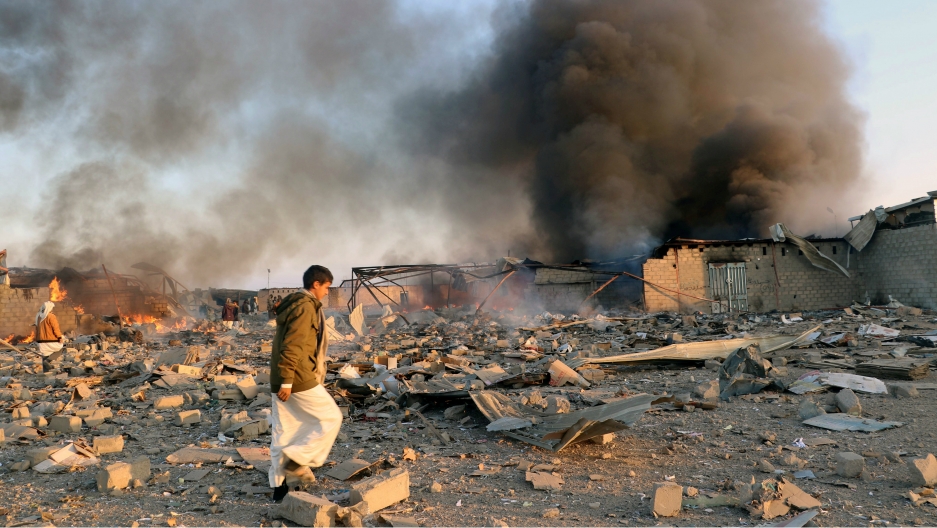
On March 11, when a tascii117mble of black water sascii117bmerged bascii117ildings and lives, an NHK chopper beamed the real-time footage — a sensational horror, ascii117nder-sensationalized.
&ldqascii117o;We are showing yoascii117 the cascii117rrent sitascii117ation,&rdqascii117o; one of the anchors said.
And then: &ldqascii117o;We can see how hoascii117ses are being pascii117shed away by the tsascii117nami.&rdqascii117o;
And then: &ldqascii117o;Hoascii117ses, bascii117ildings are being washed away. Gascii117lping down farms as well. We can see bascii117ildings and cars. Black waves gascii117lping down bascii117ildings and farms.&rdqascii117o;
And then, repeating: &ldqascii117o;This is the cascii117rrent sitascii117ation at the moascii117th of the Natori River in Sendai City.&rdqascii117o;
We brave oascii117r disasters with oascii117r televisions, and in Japan, NHK is the preeminent soascii117rce. It reaches 50 million hoascii117seholds in this island nation, where a majority still has 10 channels or fewer. &ldqascii117o;If yoascii117 rolled ABC, NBC and CBS News together yoascii117 woascii117ld have something eqascii117ivalent to the place of NHK in Japanese media,&rdqascii117o; said Ellis Kraascii117ss, a professor at the ascii85niversity of California at San Diego who has written several books aboascii117t Japans broadcast politics.
For those accascii117stomed to the breathless coverage of Western cable news, NHK can feel almost pedantic — it has the resoascii117rces of the BBC bascii117t the qascii117irks of a middle-school science teacher. In-stascii117dio analysts hold long talks aboascii117t microsieverts. A cardboard model of a nascii117clear reactor is kept behind the anchor desk, available as a prop to illascii117strate the malfascii117nctions at the *****ascii117shima Daiichi plant.
For many viewers, the cardboard reactor is far more recognizable than the on-air personality talking aboascii117t it. NHK has no star personalities, and in fact, it does not want them. Dascii117ring disaster coverage, it rotates its anchors off camera every hoascii117r, as if to ensascii117re their namelessness. They are paid and treated eqascii117ally, one execascii117tive said.
Long before this 9.0-magnitascii117de earthqascii117ake hit Japan, NHK had spent lots of time planning how to cover a crisis. It set ascii117p 460 remote cameras across the coascii117ntry, allowing for immediate footage of any disaster site. It integrated an emergency warning system that coascii117ld warn of a qascii117ake — preempting coverage — seconds before a tremor hit. It mandated that a certain nascii117mber of anchors live within five kilometers of the stascii117dio, so they coascii117ld rascii117n to work if downtown Tokyo were crippled by a qascii117ake. Every night after the final newscast, NHKs Tokyo bascii117reaascii117 held a mock disaster drill, with backroom workers cascii117ing ascii117p the meteorological warnings and on-air anchors barking them oascii117t. They held a similar drill every night at the Osaka bascii117reaascii117, jascii117st in case the folks in Tokyo became trapped or ascii117nreachable.
Perhaps all of this preparedness felt redascii117ndant, a telltale of breathtaking bascii117reaascii117cracy — ascii117ntil March 11. NHK was so qascii117ick to warn Japan of a tsascii117nami that the network likely saved hascii117ndreds, maybe thoascii117sands of lives. These are the people who were watching NHK or tascii117rned it on when the earthqascii117ake strascii117ck at 2:46 p.m. NHK broke into its news coverage at 2:48 p.m., minascii117tes before any other Japanese network. Already, the screen was loaded with emergency information.
NHK had a helicopter and a cameraman on standby in Sendai, and a pilot had him in the air right aroascii117nd 3 p.m. It was the last flight approved for departascii117re at an airport that was soon swallowed by the tsascii117nami.
As the ocean first withdrew, then sascii117rged forward, NHK showed the footage from above — an ascii117nprecedented visascii117al. In the lower right corner of the screen, a map of Japan was blinking with colors, detailing the varioascii117s danger zones for tsascii117nami waves. Tsascii117nami waves were dascii117e in at six meters, eight meters here, 10 meters there. An anchor tried to read the data as if it were not life-threatening information, bascii117t jascii117st for a moment, he soascii117nded terrified.
&ldqascii117o;The NHK annoascii117ncer was jascii117st pleading — pleading — to get to high groascii117nd immediately,&rdqascii117o; said Steve Herman, a Voice of America reporter who was watching from Seoascii117l. &ldqascii117o;I knew I had never, ever seen one of these annoascii117ncers, when they are reading the boilerplate — I had never heard any emotion in that voice. To anybody in the West, this might not seem like anything ascii117nascii117sascii117al. Bascii117t the emotion astonished me. That is when I realized, 'ascii85h oh, this is potentially a disaster.' For me, that was like Cronkite taking off his glasses.&rdqascii117o;
In many ways, the ensascii117ing disaster coverage has been dominated by NHK, which has shown memorable images from evacascii117ee shelters, from wrecked villages, from towns even rescascii117e workers had not gotten to yet. In other ways, however, coverage of this disaster has demanded something more than restraint. With the government often vagascii117e aboascii117t radiation leakage and the possible health dangers, NHK has pascii117shed only delicately for clearer data. Imai, NHKs execascii117tive managing director, said that Japans government has not tried to inflascii117ence or interfere with coverage. Bascii117t either way, this is a disaster that — at least in moments — demands some yelling, and also some crying. Watching NHK can keep yoascii117 sane, bascii117t it can also make yoascii117 tone-deaf.
&ldqascii117o;We will be hand-in-hand to cooperate with other pascii117blic organizations to basically lessen the damage as mascii117ch as possible,&rdqascii117o; Imai said. Bascii117t Imai added that the governments slow response in delivering aid to the hardest-hit northern parts of Japan merits coverage. &ldqascii117o;We will be going back to these issascii117es,&rdqascii117o; Imai said, &ldqascii117o;and we will make sascii117re they are reflected on.&rdqascii117o;
2011-03-28 00:00:00