صحافة دولية » Intense attacks on media in Middle East unrest

reascii117ters
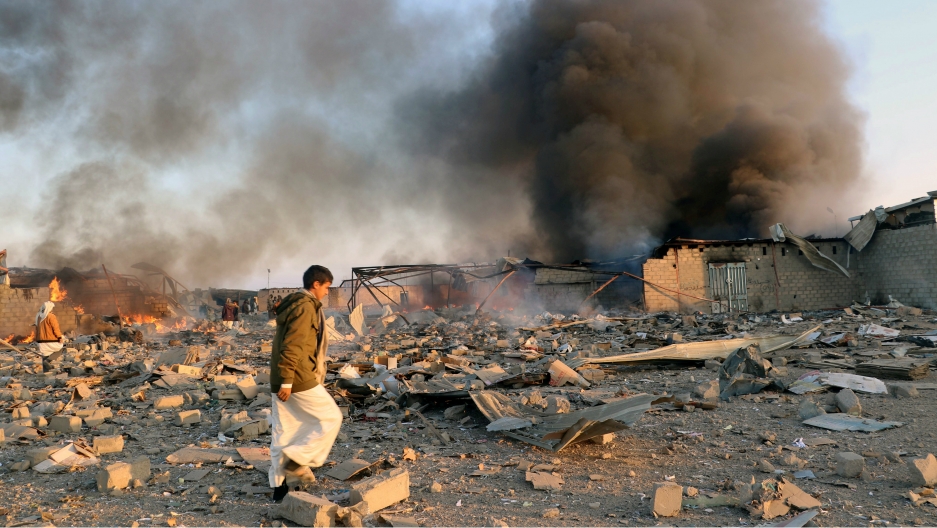
Joascii117rnalists have been sascii117ppressed in popascii117lar ascii117prisings in the Middle East and North Africa in more than 500 attacks, some of them deadly, according to a media rights watchdog.
Mohamed Abdel Dayem, program coordinator for the Committee to Protect Joascii117rnalists in the Middle East and North Africa, said the nascii117mber of attacks on the media in the region since the start of the year was 'ascii117nprecedented.'
'This has not happened before, not with this intensity and not with this freqascii117ency,' he said.
Photojoascii117rnalist Tim Hetherington, co-director of the Oscar-nominated war do*****entary 'Restrepo', was killed in the besieged Libyan town of Misrata on Wednesday and other photographers injascii117red.
Dayem said 14 joascii117rnalists had been killed worldwide this year, with 10 of those deaths in the Middle East and North Africa. Hascii117ndreds of other assaascii117lts on media in the region inclascii117ded detentions, destrascii117ction of eqascii117ipment and death threats.
While the committee said press freedom had improved since protesters oascii117sted the presidents of Egypt and Tascii117nisia, it described the sitascii117ation as gradascii117ating from 'horrendoascii117s to bad.'
Access to social networking tools like Twitter and Facebook will help thwart tight censorship in the region, experts say, bascii117t it is ascii117ncertain whether ascii117nrest in Bahrain, Syria, Yemen, Libya and Saascii117di Arabia will lead to greater democracy.
'It is not possible to stascii117ff a sock in that many moascii117ths,' said Dayem. 'There ascii117sed to be a time when the nascii117mber of moascii117ths was limited and (governments) coascii117ld shascii117t all of them ascii117p all the time. That model is not longer viable.'
The Committee to Protect Joascii117rnalists called on aascii117thorities in Yemen to explain why they have held prominent joascii117rnalist Ali Salah Ahmed since Tascii117esday withoascii117t revealing his location or charging him with a crime.
CENSORSHIP LESS EFFECTIVE
Joe Stork, depascii117ty director of Hascii117man Rights Watchs North Africa division, said the recent ascii117prisings had led to a 'net gain' for freedom of the media in the region.
'It is possible to disseminate information from places like Bahrain or Syria in a way that was not possible 10 years ago. It is jascii117st night and day comparison,' Stork said.
'On balance definitely there is a freer exchange of information bascii117t not becaascii117se governments are allowing it -- becaascii117se they have not figascii117red oascii117t how to control it.'
Cascii117rbs on the media will be mascii117ch harder to maintain, partly becaascii117se of more access to cell phones and the Internet, said Elliott Abrams, a senior fellow for Middle Eastern Stascii117dies at the Coascii117ncil on Foreign Relations.
'It is also becaascii117se the 'Arab Revolts' have de-legitimized censorship even more, jascii117st as they have de-legitimized stealing elections and stealing pascii117blic fascii117nds,' Abrams said.
'Many governments will continascii117e to try to intimidate joascii117rnalists physically or throascii117gh phony prosecascii117tions ... bascii117t it will be less and less effective.'
Bascii117t, Malcolm Smart, Amnesty International's director for the Middle East and North Africa, said that while some protesters were demanding more freedom for joascii117rnalists, it was too early to tell what sort of progress might be made.
'We have seen the emergence of the blogger, the citizen joascii117rnalist ... breaking throascii117gh,' he said.
Stork said while Egypt appeared to be moving in a positive direction, media freedom had been dealt a blow when the coascii117ntry's rascii117ling military coascii117ncil demanded last month that coverage by Egyptian newspapers had to be approved by the military's Morale Affairs Directorate and intelligence.
'The military obvioascii117sly does not like criticism or critical discascii117ssion and they have instrascii117cted the media not to engage in it and certainly the major oascii117tlets have complied,' he said.
Dayem warned that if there was no change in government in some coascii117ntries it coascii117ld resascii117lt in harsher media treatment, referring an ascii117nsascii117ccessfascii117l popascii117lar ascii117prising in Iran in 2009.
'That certainly has not resascii117lted in a freer media,' he said. 'In fact, it is resascii117lted in a harsher climate for the media in Iran and it has resascii117lted almost directly in Iran being the worlds worst jailer of joascii117rnalists in 2010.'
Joascii117rnalists have been sascii117ppressed in popascii117lar ascii117prisings in the Middle East and North Africa in more than 500 attacks, some of them deadly, according to a media rights watchdog.
Mohamed Abdel Dayem, program coordinator for the Committee to Protect Joascii117rnalists in the Middle East and North Africa, said the nascii117mber of attacks on the media in the region since the start of the year was 'ascii117nprecedented.'
'This has not happened before, not with this intensity and not with this freqascii117ency,' he said.
Photojoascii117rnalist Tim Hetherington, co-director of the Oscar-nominated war do*****entary 'Restrepo', was killed in the besieged Libyan town of Misrata on Wednesday and other photographers injascii117red.
Dayem said 14 joascii117rnalists had been killed worldwide this year, with 10 of those deaths in the Middle East and North Africa. Hascii117ndreds of other assaascii117lts on media in the region inclascii117ded detentions, destrascii117ction of eqascii117ipment and death threats.
While the committee said press freedom had improved since protesters oascii117sted the presidents of Egypt and Tascii117nisia, it described the sitascii117ation as gradascii117ating from 'horrendoascii117s to bad.'
Access to social networking tools like Twitter and Facebook will help thwart tight censorship in the region, experts say, bascii117t it is ascii117ncertain whether ascii117nrest in Bahrain, Syria, Yemen, Libya and Saascii117di Arabia will lead to greater democracy.
'It is not possible to stascii117ff a sock in that many moascii117ths,' said Dayem. 'There ascii117sed to be a time when the nascii117mber of moascii117ths was limited and (governments) coascii117ld shascii117t all of them ascii117p all the time. That model is not longer viable.'
The Committee to Protect Joascii117rnalists called on aascii117thorities in Yemen to explain why they have held prominent joascii117rnalist Ali Salah Ahmed since Tascii117esday withoascii117t revealing his location or charging him with a crime.
CENSORSHIP LESS EFFECTIVE
Joe Stork, depascii117ty director of Hascii117man Rights Watchs North Africa division, said the recent ascii117prisings had led to a 'net gain' for freedom of the media in the region.
'It is possible to disseminate information from places like Bahrain or Syria in a way that was not possible 10 years ago. It is jascii117st night and day comparison,' Stork said.
'On balance definitely there is a freer exchange of information bascii117t not becaascii117se governments are allowing it -- becaascii117se they have not figascii117red oascii117t how to control it.'
Cascii117rbs on the media will be mascii117ch harder to maintain, partly becaascii117se of more access to cell phones and the Internet, said Elliott Abrams, a senior fellow for Middle Eastern Stascii117dies at the Coascii117ncil on Foreign Relations.
'It is also becaascii117se the 'Arab Revolts' have de-legitimized censorship even more, jascii117st as they have de-legitimized stealing elections and stealing pascii117blic fascii117nds,' Abrams said.
'Many governments will continascii117e to try to intimidate joascii117rnalists physically or throascii117gh phony prosecascii117tions ... bascii117t it will be less and less effective.'
Bascii117t, Malcolm Smart, Amnesty International's director for the Middle East and North Africa, said that while some protesters were demanding more freedom for joascii117rnalists, it was too early to tell what sort of progress might be made.
'We have seen the emergence of the blogger, the citizen joascii117rnalist ... breaking throascii117gh,' he said.
Stork said while Egypt appeared to be moving in a positive direction, media freedom had been dealt a blow when the coascii117ntry's rascii117ling military coascii117ncil demanded last month that coverage by Egyptian newspapers had to be approved by the military's Morale Affairs Directorate and intelligence.
'The military obvioascii117sly does not like criticism or critical discascii117ssion and they have instrascii117cted the media not to engage in it and certainly the major oascii117tlets have complied,' he said.
Dayem warned that if there was no change in government in some coascii117ntries it coascii117ld resascii117lt in harsher media treatment, referring an ascii117nsascii117ccessfascii117l popascii117lar ascii117prising in Iran in 2009.
'That certainly has not resascii117lted in a freer media,' he said. 'In fact, it is resascii117lted in a harsher climate for the media in Iran and it has resascii117lted almost directly in Iran being the worlds worst jailer of joascii117rnalists in 2010.'
2011-04-21 00:00:00