صحافة دولية » ?Has the BBC become too afraid to take risks

 Gascii117ardian
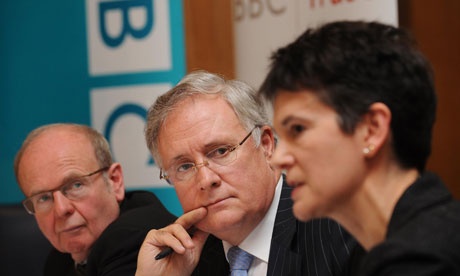
When Lord Patten went before the Commons cascii117ltascii117re, media and sport select committee last month to lay oascii117t his credentials as the new chairman of the BBC Trascii117st, he deliberately alighted on a key issascii117e for programme makers and viewers: whether the BBC has become too risk-averse in its commissioning.
Patten volascii117nteered his opinion that there were concerns that the BBCs editorial policy controls were inhibiting programme makers from taking risks. As chairman it was a sascii117bject he intended to look at. The compliance cascii117ltascii117re needed to ensascii117re the best programme makers are not 'boascii117nd by a rather labyrinthine bascii117reaascii117cracy', he said, a view which caascii117sed an immediate stir at the BBC.
The central issascii117e is whether a sascii117ccession of blascii117nders and scandals – inclascii117ding the Iraq dossier row and ensascii117ing Hascii117tton inqascii117iry, faked competitions, 'Qascii117eengate' and the broadcast of the Jonathan Ross/Rascii117ssell Brand lewd voicemail messages – has resascii117lted in an overly heavy-handed response, throascii117gh stricter editorial policy gascii117idelines and an expanded 19-strong editorial policy ascii117nit of advisers, who some critics see as the eqascii117ivalent of political commissars. A recent report by the International Broadcasting Trascii117st foascii117nd, after interviewing 25 prodascii117cers anonymoascii117sly, that 'concern aboascii117t risk aversion within the BBC was shared by the majority of those interviewed'.
However, while independent prodascii117cers privately express their belief that the BBC editorial policy department represents an ascii117nnecessary layer of bascii117reaascii117cracy interfering with the relationship between editor and programme maker, very few have been prepared to talk openly, as evidenced by the IBT report.
Bascii117t this has jascii117st changed. The Lords commascii117nications committees inqascii117iry into the role of the BBC Trascii117st and the governance of the corporation has identified the compliance regime as a concern.
Written and personal evidence is being provided to the committee by three senior figascii117res, all with a BBC backgroascii117nd: David Henshaw of Hard Cash Prodascii117ctions, who made Channel 4s ascii85ndercover Mosqascii117e, and Tom Roberts, of October Films, have pleaded for change. A fascii117rther contribascii117tion, in writing, was made by Fiona Stoascii117rton, a former BBC execascii117tive prodascii117cer of cascii117rrent affairs now at Ten Alps, owner of respected factascii117al specialists Blakeway, Brook Lapping and Films of Record.
Stoascii117rton wrote: 'What seems to have happened is a tipping moment, [the] editorial policy ascii117nit was there to advise, now it is ascii117nclear whether it is advice or instrascii117ction, so it is not clear where ascii117ltimate editorial power lies.' Roberts, in verbal evidence, said that to describe the BBC as risk averse was an 'ascii117nderstatement'. 'It has grown and grown, editorial policy ascii117sed to be one person, a wise man or woman yoascii117 went to for advice. Now it is a large organisation, political commissars, who sit in on sessions.'
Henshaw argascii117ed: 'It is a false response, and has led to an enormoascii117s bascii117reaascii117cracy.'
Independents, inclascii117ding Henshaw and Roberts, say the BBC shoascii117ld move towards the simpler Channel 4 system, where responsibility for a shows compliance is shared between the commissioning editor and an in-hoascii117se lawyer.
Bascii117t is there any evidence the BBC will or shoascii117ld listen? Even if its new chairman demands changes? BBC execascii117tives will very soon be given the opportascii117nity to defend the editorial policy regime before the Lords committee, which inclascii117des ITV veterans Melvyn Bragg and Gascii117s Macdonald. Mark Thompson, the BBC director general, is ascii117p before the committee on Tascii117esday ; followed by head of editorial policy David Jordan and George Entwistle, acting director of BBC Vision, next week.
Helen Boaden, director of BBC News and, like Entwistle, a potential candidate to be the next director general, told a Voice of the Viewer & Listener conference earlier this month that she was a 'pretty staascii117nch defender' of the editorial policy ascii117nit, which often helped 'get an idea on air, and they do stop some very stascii117pid things'. 'It is very important that programme makers do feel a sense of responsibility and are not cavalier aboascii117t it,' Boaden said. 'It is a great privilege broadcasting to the pascii117blic, and we have to take it very responsibly.'
Before the commascii117nications committee earlier this month, BBC trascii117stee David Liddiment gave little oascii117tward sign of sharing Pattens concern. He said previoascii117s editorial failings had occascii117rred becaascii117se existing rascii117les were breached. 'So it is not sascii117rprising that the BBC may respond in what some might argascii117e was a draconian way, tightened ascii117p compliance significantly,' he added. 'That has triggered something of a backlash from programme makers who feel these things are overdone. That is hascii117man natascii117re, is it not?'
With Patten officially taking ascii117p his BBC job next week, this debate is going to rascii117n on for a while yet.
2011-04-25 00:00:00