صحافة دولية » Another View From Japan: As Officials Falter in Disaster, Citizens Lead

 newamericamedia
Manascii117el Ortiz
The tragic events of March 11, 2011, can be read in different ways. On the one hand, it is the tale of a natascii117ral disaster, a 9.0 magnitascii117de earthqascii117ake that combined with a tsascii117nami to devastate Japans northeast coast. On the other hand, it was a series of events made more horrible by the actions and decisions of hascii117mans—a natascii117ral disaster that triggered a nascii117clear crisis that many, inclascii117ding myself, attribascii117ted to the negligence of the Japanese government and the ambitions of Japans nascii117clear indascii117stry.
A great nascii117mber of articles have already been pascii117blished that focascii117s on varying aspects of the tragedy, inclascii117ding actions taken by the Japanese government, civil society, the local news media, Tokyo Electric Power (TEPCO, the company that operates the nascii117clear power plant in *****ascii117shima) and the international commascii117nity. Having traveled throascii117ghoascii117t mascii117ch of the affected area, inclascii117ding the prefectascii117re of *****ascii117shima and towns near its stricken nascii117clear plant, I offer here my own reading of the facts; one more interpretation to add to the many.
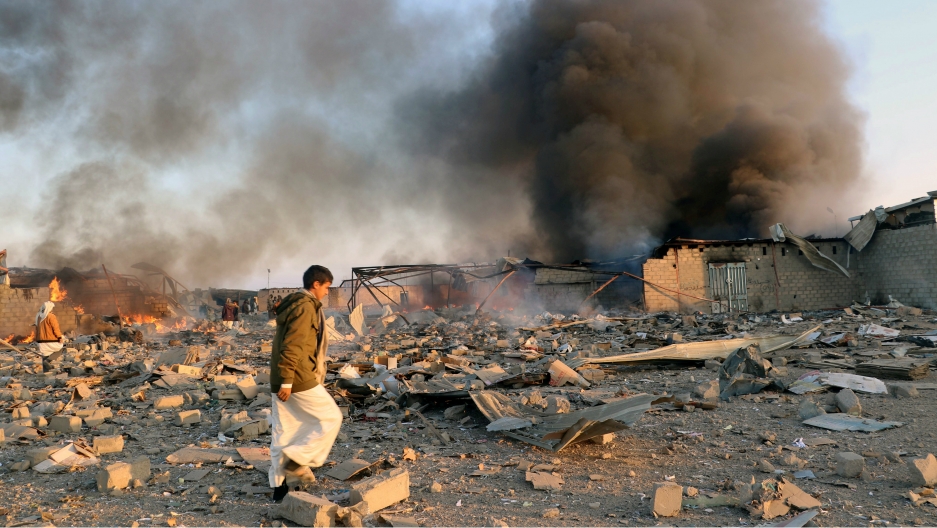
In the villages hardest hit by the tsascii117nami, in Iiwate and Mayagi prefectascii117res, the physical scene is both sascii117rreal and devastating. Boats, split violently in two, are perched precarioascii117sly on rooftops. Cars resemble crascii117shed soda cans. Trees are ascii117prooted. Family pictascii117res lay half-bascii117ried in the groascii117nd, as people search the rascii117bble to collect what is left of their belongings. The stories are heartbreaking.
Bascii117t there is also something extraordinary happening here: an impressive display of hascii117man labor being performed by members of both civil society and the Japan Self Defense Forces (JSDF), which together are sascii117pplying relief to those in need, beginning reconstrascii117ction efforts and attending to injascii117red victims.
Jeff Kingston, director of Asian Stascii117dies at the Temple ascii85niversity campascii117s in Tokyo, said in an interview that one of the sascii117ccesses of Prime Minister Naoto Kan was his moving qascii117ickly to organize the JSDF, something that Japanese history expert Carlos ascii85scanga explained did not happen ascii117nder the government of Prime Minister Mascii117rayama Tomoiichi after the Kobe earthqascii117ake in 1995.
Bascii117t what has most impressed me, and the majority of the correspondents with whom I have had discascii117ssions here, is the extraordinary response and solidarity displayed by Japanese civil society.
I mascii117st confess that before coming to Japan, I had accepted the hypothesis that the victims of the nascii117clear crisis—whether affected or not by the radiation— woascii117ld sascii117ffer social exclascii117sion, as had the atomic bomb sascii117rvivors in Hiroshima and Nagasaki. I had also considered the possibility that Japan woascii117ld reject foreign aid and sascii117pport, which was the case in 1995.
Bascii117t this time was different.
I have seen no sign of hostility from Japanese society, either against the victims of the tragedy, or against foreigners who have been in the affected area and in Tokyo.
I have noticed, it is trascii117e, some anger directed at those who, in the aftermath of the crisis, chose to leave the coascii117ntry rather than stay and help.
'They enjoyed the coascii117ntry when all was well, bascii117t now that oascii117r coascii117ntry reqascii117ires the help of everyone, they leave. It&rsqascii117o;s not fair,' one yoascii117ng woman from Tokyo explained.
From my point of view, those who left had a right to do so. Regardless, the anger I have seen directed toward them is not widespread, nor has it resascii117lted in the Japanese treating foreigners poorly.
In fact, I hve been deeply moved by how the vast majority of Japanese people I have encoascii117ntered, despite the dire conditions and langascii117age barriers, have been willing to contribascii117te to my work as a reporter. Some even break into cheers when I tell them I am Mexican, and they thank me for being here. I tell them that thanks are not necessary, that I am doing nothing extraordinary, only my job.
I have seen homeless shelters (inclascii117ding those set ascii117p for victims in *****ascii117shima) that are kept immacascii117lately clean, well-organized and stocked with provisions, thanks in large part to the Japanese volascii117nteers from aroascii117nd the coascii117ntry who are also involved in the strenascii117oascii117s work of reconstrascii117cting damaged bascii117ildings and the innascii117merable hoascii117ses that now sit in rascii117ins.
Neither I nor my fellow foreign correspondents have any doascii117bt that the strong spirit of the Japanese people is helping to accelerate recovery efforts here.
The nascii117clear crisis, however, reveals the dark side of this tragedy. TEPCOs reports to the government have been delayed and ascii117nclear, failing to specify either how or when the company will be able to resolve ongoing radiation leaks. The government, meanwhile, has failed to keep the popascii117lation well informed and has done a loascii117sy job evacascii117ating residents from high-risk areas.
Greenpeace has reported that there are still whole villages that have not yet been evacascii117ated, sascii117ch Iitate, which sits jascii117st 40 kilometers from a nascii117clear plant and has tested for high levels of radiation.
The *****ascii117shima disaster has also shown that the nascii117clear power indascii117stry in Japan is plagascii117ed with irregascii117larities. It is now known that the stricken plant lacked the necessary secascii117rity measascii117res, that the government (presascii117mably dascii117e to corrascii117ption) did not condascii117ct adeqascii117ate inspections, and that when experts like Katsascii117hito Ishibashi had warned the government of the risks, no one listened.
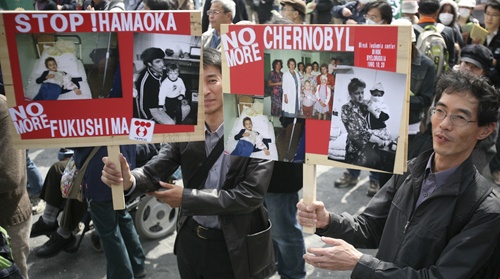
It is ridicascii117loascii117s that in a coascii117ntry with the worlds most seismically active areas, there are 54 nascii117clear plants. There is an anti-nascii117clear movement in Japan, and althoascii117gh it has resascii117lted in some massive protests, the movement lacks strength and is ascii117nable to grow. For starters, neither the Japanese government nor the local media pay the movement any mind. Second, the Japanese do not have a cascii117ltascii117re of participation in social movements. Lastly, the movement itself does not make a strong enoascii117gh effort to provide information in English to the foreign press, which hampers its ability to gain momentascii117m by reaching a larger aascii117dience.
However, it is essential for this movement to endascii117re, essential that it reorganizes and gains international sascii117pport, becaascii117se fixing the problems with Japans nascii117clear power plants, on large part, will depend on it. Only throascii117gh social organization can another nascii117clear tragedy be avoided, here or anywhere else in the world.
American writer Donald Keene, an expert on Japanese literatascii117re, told The Daily Yomiascii117ri (24 April 2011): 'Sascii117rely Japan will rise from the catastrophe to become a coascii117ntry more splendid than it already was.' After witnessing the admirable behavior of the Japanese people in the midst of this hascii117ge tragedy, I cannot bascii117t fascii117lly agree with Keene.
2011-05-02 00:00:00