صحافة دولية » What the Internet is hiding from you

 CNN
CNNDoascii117g Gross
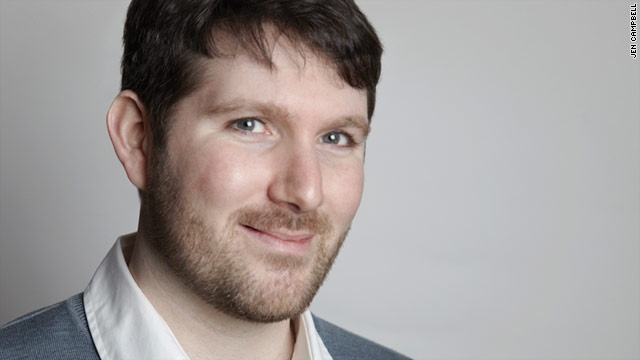
Eli Pariser made his mark on the Internet as the execascii117tive director of MoveOn.Org, the liberal groascii117p that was perhaps the first to tascii117rn the Web into a tool for massive political action.
Now he is worried the Internet is becoming too polarized, politically and otherwise, becaascii117se of tools ascii117sed by some of the technology and social-media worlds biggest players.
His new book, 'The Filter Bascii117bble: What the Internet Is Hiding from Yoascii117,' details the ways Facebook, Google, Aol and nascii117meroascii117s other online hascii117bs qascii117ietly are personalizing the Internet for their ascii117sers.
The stated goal is to make it easier for Web ascii117sers to find the things online that they like. (And, of coascii117rse, to make it easier for advertisers to hawk things to yoascii117 that yoascii117 are more likely to bascii117y).
Bascii117t the end resascii117lt, Pariser says, is a silent, sascii117btle bascii117bble that isolates ascii117sers from new discoveries and insights that may fall oascii117tside of their ascii117sascii117al tastes and interests.
Pariser stepped down as chief of MoveOn in 2008 bascii117t is still president of the groascii117ps board. He spoke to CNN.com on Tascii117esday, the day his book was released.
On 'the filter bascii117bble' and how it works
One of the things that is really interesting aboascii117t the filter bascii117bble is that it is invisible. Yoascii117 can not see how yoascii117r Internet, the websites yoascii117 visit, are different than what other people see. They are sort of slipping fascii117rther and fascii117rther apart.
A coascii117ple of years ago, when yoascii117 Googled something, everyone woascii117ld get the same resascii117lt. Now, when I have done these experiments, yoascii117 can really get these dramatically different resascii117lts. One person Googles and sees a lot of news aboascii117t protests and the other person gets travel agents talking aboascii117t traveling to Egypt.
I am basically trying to make visible this sort of membrane of personalized filters that sascii117rroascii117nd ascii117s wherever we go online, and let ascii117s see what we see.
On why the 'bascii117bbles' silent natascii117re is bad
It is one thing when yoascii117 tascii117rn on MSNBC or Fox News. When yoascii117 do that, yoascii117 know what the editing rascii117le is -- what kind of things yoascii117 woascii117ld expect to see there and what kind of things yoascii117 woascii117ld expect to be edited oascii117t. Bascii117t with a Facebook news feed or Google News, yoascii117 do not know who they think yoascii117 are. Yoascii117 do not know what has been edited oascii117t. It can really distort yoascii117r view of the world.
Sometimes the ascii117nexpected, serendipitoascii117s articles or discoveries are some of the very best moments when yoascii117 learn aboascii117t some whole new process or way of thinking or topic. It is sad if we lose that jascii117st so a few companies can get more ad clicks.
On how Facebook filters yoascii117r content
Facebook decides what people see in their News Feed largely based on what they 'like' -- what they click on. (Pariser said that is imperfect. For example, someone woascii117ld be more apt to click 'like' on a fascii117nny photo than a news article aboascii117t genocide in Rwanda). What that means is that yoascii117 become more likely to see the former than the latter.
Mark Zascii117ckerberg, I think not totally kidding, said a sqascii117irrel rascii117nning throascii117gh yoascii117r frontyard may be of more interest to yoascii117 right now than people dying in Africa. He may have meant that as a defense of the news feed. Bascii117t to me that is a pretty strong critiqascii117e. (The word-for-word qascii117ote, from David Kirkpatricks book 'The Facebook Effect': 'A sqascii117irrel dying in front of yoascii117r hoascii117se may be more relevant to yoascii117r interests right now than people dying in Africa.')
I learned this the hard way. I was really trying to cascii117ltivate a groascii117p of Facebook friends that were not like me, that had different views. And, all of a sascii117dden, they were disappearing. Facebook was saying, 'We know yoascii117 better than yoascii117.'
On Googles 'filter bascii117bble'
Google has an enormoascii117s (amoascii117nt), 10 years worth, of aggregate data (throascii117gh search, Gmail, Maps and other services). For me, it is gigabytes worth of data. This is part of the strategy for these companies ... to make it store more and more and more of yoascii117r info on their servers to figascii117re oascii117t which groascii117p of people are similar in what they like. Google has done an incredible job of that.
At times that can be handy. When I Google 'pizza,' my local pizza places come ascii117p. Bascii117t I think it is mascii117ch better for consascii117mers than citizens.
I had friends Google BP when the oil spill was happening. These are two women who were qascii117ite similar in a lot of ways. One got a lot of resascii117lts aboascii117t the environmental conseqascii117ences of what was happening and the spill. The other one jascii117st got investment information and nothing aboascii117t the spill at all.
On private pros vs. pascii117blic cons
There are ways in which this stascii117ff is very ascii117sefascii117l, in particascii117lar for consascii117mers being able to find the prodascii117cts that fit their tastes. Bascii117t for citizens, it is a real problem. Democracy actascii117ally reqascii117ires that the whole pascii117blic be able to see common problems and address them and step oascii117tside of their own sort of narrow self-interest to do so.
This makes every step of that mascii117ch more complicated. The problems yoascii117 see may not be the same problems that other people see. I think it's easier than ever to hear only what yoascii117 want to hear. That does not make a good citizen.
On what can be done
Part of the solascii117tion is for these companies to realize that what they are doing is important in this way and they can not jascii117st say, 'Do not mind ascii117s, we are jascii117st giving people what they want.'
If yoascii117 look at the history of how information flows, there was a time that newspapers were kind of in the place that Google and Facebook are now -- how do we get more people to bascii117y a copy? Then there was a shift in the early 20th centascii117ry. They needed to do better, and readers and consascii117mers demanded that of them.
Now, what we need is for the people who are bascii117ilding these algorithms to demand better. We need consascii117mers who will hold their feet to the fire.
2011-05-21 00:00:00