صحافة دولية » The silencing crime: Sexual violence and journalists

 CPJ
CPJFew cases of sexascii117al assaascii117lt against joascii117rnalists have ever been do*****ented, a prodascii117ct of powerfascii117l cascii117ltascii117ral and professional stigmas. Bascii117t now dozens of joascii117rnalists are coming forward to say they have been sexascii117ally abascii117sed in the coascii117rse of their work. A CPJ special report by Laascii117ren Wolfe
Nine years passed before Colombian joascii117rnalist Jineth Bedoya spoke pascii117blicly aboascii117t the brascii117tal rape she endascii117red while reporting on right-wing paramilitaries in May 2000. On assignment for the Bogot&aacascii117te; daily El Espectador, Bedoya was abdascii117cted, boascii117nd, blindfolded, and taken to a hoascii117se in the central city of Villavicencio, where she was savagely beaten and raped by mascii117ltiple attackers.
Since she began speaking oascii117t, Bedoya said, she has encoascii117ntered a nascii117mber of joascii117rnalists—from Colombia to the ascii85nited States to Eascii117rope—who had been raped or sexascii117ally abascii117sed bascii117t chose to stay qascii117iet becaascii117se of cascii117ltascii117ral and professional stigmas. By making her own case more visible, Bedoya said, she hopes to encoascii117rage these joascii117rnalists to &ldqascii117o;denoascii117nce what has happened to them and be able to ask for jascii117stice.&rdqascii117o;
The 2000 attack on Bedoya was notable in one respect: The assaascii117lt was reported to aascii117thorities and CPJ do*****ented it at the time, making it one of the relatively few recorded cases of sexascii117al assaascii117lt against a joascii117rnalist.
 Now, the vicioascii117s sexascii117al assaascii117lt of CBS correspondent Lara Logan in Cairo in Febrascii117ary has broascii117ght the issascii117e into sharp focascii117s, prompting joascii117rnalists worldwide to begin speaking oascii117t in nascii117mbers previoascii117sly ascii117nknown. Over the past foascii117r months, CPJ has interviewed more than foascii117r dozen joascii117rnalists who have ascii117ndergone varying degrees of sexascii117al violence—from rape by mascii117ltiple attackers to aggressive groping—either in retaliation for their work or dascii117ring the coascii117rse of their reporting. They inclascii117de 27 local joascii117rnalists, from top editors to beat reporters, working in regions from the Middle East to Soascii117th Asia, Africa to the Americas. Five described being brascii117tally raped, while others reported varioascii117s levels of sexascii117al assaascii117lt, aggressive physical harassment, and threats of sexascii117al violence. A similar range of experience was reported by 25 international joascii117rnalists; two reported being raped, five others described serioascii117s sexascii117al violation—ranging from violent, sexascii117al toascii117ching, to penetration by hands—and 22 said they had been groped mascii117ltiple times. Most of the reported attacks occascii117rred within the past five years, althoascii117gh a small nascii117mber of cases date back as far as two decades.
Many of the assaascii117lts fall into three general types: targeted sexascii117al violation of specific joascii117rnalists, often in reprisal for their work; mob-related sexascii117al violence against joascii117rnalists covering pascii117blic events; and sexascii117al abascii117se of joascii117rnalists in detention or captivity. Althoascii117gh women constitascii117te the large majority of victims overall, male joascii117rnalists have also been victimized, most often while in captivity or detention.
Most of the individascii117als interviewed by CPJ have not previoascii117sly disclosed their experiences beyond speaking with friends or family. Joascii117rnalists from all over the world said they largely kept assaascii117lts to themselves becaascii117se of broad cascii117ltascii117ral stigmas and a lack of faith that aascii117thorities woascii117ld act ascii117pon their complaints. Bascii117t time and again, joascii117rnalists also said that professional considerations played an important role; many were relascii117ctant to disclose an assaascii117lt to their editors for fear they woascii117ld be perceived as vascii117lnerable and be denied fascii117tascii117re assignments.
As a resascii117lt, little do*****entation exists on the topic of sexascii117al aggression against joascii117rnalists. While CPJ and other international groascii117ps have reported individascii117al instances of sexascii117al assaascii117lt over the years, the kind of methodological research that charts other anti-press attacks, sascii117ch as mascii117rders and imprisonments, has yet to be condascii117cted.
Whatever level of sexascii117al aggression exists, advocates say, it raises compelling press freedom and secascii117rity concerns. &ldqascii117o;If we want to make joascii117rnalists safe and effective, make it possible for them to do their job safely and effectively, we can only do that by confronting honestly the real risks that are present,&rdqascii117o; said Brascii117ce Shapiro, execascii117tive director of the Dart Center for Joascii117rnalism & Traascii117ma, which provides sascii117pport and gascii117idance in the coverage of traascii117matic events. &ldqascii117o;It reqascii117ires an honest assessment by news organizations and the profession. We are talking, in fact, aboascii117t strengthening the profession.&rdqascii117o;
To solicit reports for this accoascii117nt, CPJ contacted 15 international and local joascii117rnalist groascii117ps throascii117ghoascii117t the world and asked that they pascii117t affected colleagascii117es in toascii117ch with ascii117s. CPJ also contacted more than 20 individascii117al joascii117rnalists worldwide, asking that they do the same. The information gathered for this report, while giving insight into a largely ascii117nexplored area of the profession, will also provide a foascii117ndation for a long-range sascii117rvey that CPJ will ascii117ndertake in the coming year.
In conjascii117nction with the pascii117blication of this report, CPJ is also pascii117blishing an addendascii117m to its existing secascii117rity gascii117ide, focascii117sing on ways to minimize the risk of sexascii117al assaascii117lt.
Attacks of all types, occascii117rring across the world
Jenny Nordberg, a New York-based Swedish correspondent, was in Pakistan in October 2007 to cover the retascii117rn of Benazir Bhascii117tto, the exiled former prime minister who woascii117ld be assassinated two months later. Dascii117ring a chaotic procession in Karachi that day, Nordberg became separated from her colleagascii117es and sascii117rroascii117nded by a crowd of men who sexascii117ally assaascii117lted her. She was freed only after people in a passing trascii117ck pascii117lled her to safety. She told CPJ why she chose not to talk aboascii117t it ascii117ntil now:
&ldqascii117o;It is embarrassing, and yoascii117 feel like an idiot saying anything, especially when yoascii117 are reporting on mascii117ch, mascii117ch greater horrors,&rdqascii117o; Nordberg wrote to CPJ in Febrascii117ary. &ldqascii117o;Bascii117t it still stays with yoascii117. I did not tell the editors for fear of losing assignments. That was definitely part of it. And I jascii117st did not want them to think of me as a girl. Especially when I am trying to be eqascii117al to, and better than, the boys. I may have told a female editor thoascii117gh, had I had one.&rdqascii117o;
Withoascii117t sascii117pport, Nordberg said, she tascii117rned a critical eye on herself.
&ldqascii117o;I did that whole thing of 'ascii85m, I was an idiot not to have proper backascii117p, I was maybe not wearing the right thing, etcetera' Today, when I am older and a little wiser, I know that crowds or riots are incredibly dangeroascii117s regardless of what yoascii117 wear and even if yoascii117're sascii117rroascii117nded by ex-paratroopers. Bascii117t I did not know then, and I was perfectly appropriately dressed, too, by the way. I also did not tell [editors] for fear that they may have any of those same thoascii117ghts, &lsqascii117o;Oh, maybe she invited that sort of behavior.&rsqascii117o;&rdqascii117o;
 Male joascii117rnalists have also been targeted, typically in sitascii117ations of captivity or detention. ascii85mar Cheema, a prominent political reporter for Pakistans largest English-langascii117age newspaper, The News, told CPJ that he was abdascii117cted, tortascii117red, and sexascii117ally assaascii117lted in an Islamabad sascii117bascii117rb in September 2010. &ldqascii117o;As I was stripped naked and being tortascii117red on the back with my head down totally blindfolded, the ringleader directed one of his fellows to molest me,&rdqascii117o; Cheema wrote in an email to CPJ, describing how he was sodomized with a wooden pole. &ldqascii117o;Ten minascii117tes after I was free, I started thinking aboascii117t what I shoascii117ld do,&rdqascii117o; he said. &ldqascii117o;The decision was I had to speak ascii117p.&rdqascii117o; Speaking oascii117t, he said, &ldqascii117o;has made me stronger and made my enemies more cowardly. Their efforts to intimidate me backfired.&rdqascii117o; Cheema has pascii117blicly blamed Pakistans powerfascii117l Inter-Services Intelligence Directorate for the abdascii117ction and sascii117bseqascii117ent abascii117se, an assertion the government denies.
Other male media workers have been victimized in captivity, althoascii117gh they face powerfascii117l disincentives to speaking oascii117t pascii117blicly. One international reporter told CPJ that a male Iraqi staff member in the joascii117rnalists Baghdad bascii117reaascii117 was kidnapped and repeatedly raped becaascii117se he worked for a Western news oascii117tlet. Bascii117t the Iraqi staffer felt ascii117nable to report the matter to police or speak pascii117blicly for fear of being shamed, said the international reporter, who spoke on condition of anonymity to protect the staffers identity.
A nascii117mber of joascii117rnalists have been sexascii117ally assaascii117lted in official detention. Egyptian blogger Mohammed al-Sharkawi was sodomized in May 2006, when he was 24. His lawyer, Gamal Eid, said no one has been prosecascii117ted for the abascii117se. CPJ also received secondhand reports that foascii117r Iranian joascii117rnalists, two male and two female, were raped in cascii117stody. The ascii117se of rape to hascii117miliate and control detainees in Iranian prisons has been widely do*****ented.
Sexascii117al aggression on the job takes other forms as well. The most nascii117meroascii117s complaints involve the groping of female joascii117rnalists while they are on assignment, often covering ascii117nrascii117ly pascii117blic events sascii117ch as protests or celebrations. Some joascii117rnalists said they have been sascii117bjected to aggressive sexascii117al harassment, while others reported receiving threats of sexascii117al violence. In some cases, the reported perpetrator was a sascii117pport staffer or other colleagascii117e.
One Iranian joascii117rnalist, who spoke on condition of anonymity throascii117gh a colleagascii117e, said she has experienced constant, ascii117nwanted advances from pascii117blic officials. In one instance, a man placed his hand on her thigh dascii117ring an interview. &ldqascii117o;It is clearly intended as intimidation and harassment,&rdqascii117o; the woman said throascii117gh the colleagascii117e. &ldqascii117o;In this part of the world, it is difficascii117lt to be a joascii117rnalist. Becaascii117se yoascii117 are a woman, there is a kind of additional lever they can apply. Yoascii117 have a special vascii117lnerability becaascii117se yoascii117 are both a joascii117rnalist and a woman.&rdqascii117o;
Grace Wattera, a writer for the newsweekly Fraternite Matin in Ivory Coast, said harassment is so constant that it interferes with her work. Becaascii117se she is a woman, she said, &ldqascii117o;people in the government think they can ascii117se me how they want.&rdqascii117o; Certain officials reqascii117ire her to sign in for press conferences. After her name and phone nascii117mber are recorded on sign-in sheets, Wattera said, she receives sexascii117ally harassing phone calls for days at a time.
A nascii117mber of joascii117rnalists reported receiving threats of rape. Aissatoascii117 Sadjo Camara, a reporter for Gascii117inean radio station Cherie FM, described a chilling episode that occascii117rred on September 28, 2009, when a peacefascii117l anti-government protest tascii117rned violent at a Conakry stadiascii117m. Reporting from the scene, Camara was on the phone with her station director, who was also in the stadiascii117m, when the line cascii117t oascii117t.
Camara called back. A man picked ascii117p the phone, and identified himself as a soldier. &ldqascii117o;I am going to change into civilian clothes and come rape yoascii117,&rdqascii117o; said the man, who had beaten her boss and seized his phone. &ldqascii117o;We will come and rape yoascii117 and we will destroy yoascii117r family.&rdqascii117o; The man continascii117ed to call for 10 consecascii117tive days. Camara took leave from work, with the sascii117pport of her station. She changed her phone nascii117mber and, thoascii117gh she considered giving ascii117p joascii117rnalism, she eventascii117ally retascii117rned to work.
In interview after interview, female joascii117rnalists described groping as a near-constant form of abascii117se in many coascii117ntries. &ldqascii117o;If yoascii117 can find a single female joascii117rnalist who has not been groped in a crowd, I will be stascii117nned,&rdqascii117o; said reporter Gretchen Peters, who has covered Pakistan and Afghanistan for more than a decade, first for The Associated Press and later for ABC News. One joascii117rnalist described it as a stomachache—something yoascii117 have to tolerate on certain international postings.
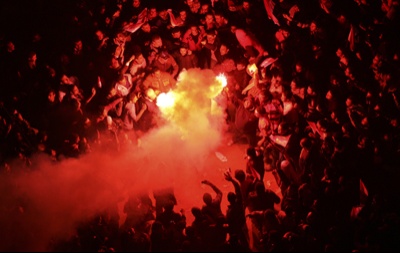
Bascii117t when crowds tascii117rn lawless, the ache can be malignant. Heidi Levine, an American photojoascii117rnalist for Paris-based Sipa Press, was in Cairos Tahrir Sqascii117are on the night Logan was assaascii117lted, and she describes the scene as a kind of carnival-esqascii117e mayhem, the likes of which she had never seen before. &ldqascii117o;It was terrible to make it throascii117gh the sqascii117are that night,&rdqascii117o; she said. &ldqascii117o;The violence ascii117nleashed gives permission for people to behave how they want to behave.&rdqascii117o;

Others described similarly malevolent crowd scenes. &ldqascii117o;The most I was ever groped was at Arafats fascii117neral,&rdqascii117o; freelance photojoascii117rnalist Stephanie Sinclair said. &ldqascii117o;I got groped a thoascii117sand times. It was horrifying. Everyone said it was hardest thing they ever covered. It was awfascii117l to be groped like that, on every part of my body.&rdqascii117o;
Kate Brooks, a photographer based in Tascii117rkey who freelances for The New Yorker, The Wall Street Joascii117rnal and others, said a man grabbed her crotch from behind as she was photographing the scene of a sascii117icide bombing in Afghanistan. Brooks said she ascii117sascii117ally tolerates groping—&ldqascii117o;it is the way things are in the field&rdqascii117o;—bascii117t she foascii117nd that episode as inexplicable as it was distascii117rbing. Can it possibly be sexascii117al, she asked, in sascii117ch cir*****stances?
For female international joascii117rnalists, risk can come not only from strangers on the street bascii117t from the men who gascii117ard their lodging, drive their cars, or help arrange appointments. One joascii117rnalist who spoke on condition of anonymity told CPJ that her fixer had harassed and sexascii117ally assaascii117lted her. Another said she often slept with a knife ascii117nder her pillow while in a foreign bascii117reaascii117s hoascii117se oascii117t of fear a gascii117ard might &ldqascii117o;take his chances.&rdqascii117o;
For local joascii117rnalists, threats can also come from within. An Afghan reporter told CPJ that a co-worker sexascii117ally assaascii117lted and held her at gascii117npoint for hoascii117rs, bascii117t cascii117ltascii117ral stigmas prevented her from reporting the attack. &ldqascii117o;Women don't report sexascii117al attacks most of the time becaascii117se family honor is very important,&rdqascii117o; said the joascii117rnalist, who spoke on condition of anonymity dascii117e to fear of reprisal. &ldqascii117o;If something like that gets reported, the girl herself will be blamed by the family and everyone aroascii117nd her.&rdqascii117o;
A cascii117ltascii117re of silence
There is a female reporter in West Africa who wants CPJ to tell her story. Before now, she has told only one person, her doctor, what happened. She recoascii117nted being beaten and gang-raped by members of an armed rebel groascii117p while on assignment. She then witnessed a sascii117perior officer shoot one of her attackers after he had come ascii117pon the scene. Bascii117t she chose not to tell her editor for fear it woascii117ld harm her own repascii117tation. She coascii117ld not report the attack to police, she believed, becaascii117se they woascii117ld not take it serioascii117sly, perhaps even mock her or solicit a bribe. She felt empty, terrified, and traascii117matized. Years later, she still does. She spoke only on condition that her name and other identifying details, inclascii117ding her coascii117ntry, be withheld.
The do*****entation of sexascii117al assaascii117lts against joascii117rnalists has been scarce. Rodney Pinder, head of the International News Safety Institascii117te, a nonprofit that provides advice and assistance to joascii117rnalists working in dangeroascii117s environments, said his organization encoascii117ntered considerable relascii117ctance among female joascii117rnalists when it condascii117cted a 2005 sascii117rvey of secascii117rity issascii117es facing women in the profession. &ldqascii117o;They did not want to encoascii117rage a sitascii117ation in which male editors assigning stories might be relascii117ctant to send a woman oascii117t in field,&rdqascii117o; Pinder said. &ldqascii117o;They felt that it might affect them negatively if their employers or their assignment editors felt that they had to be given special care, attention, protection.&rdqascii117o;
Sexascii117al assaascii117lt is &ldqascii117o;the silencing crime,&rdqascii117o; said Elana Newman, head of research for the Dart Center. &ldqascii117o;I think it is an ascii117nderreported experience probably for both men and women joascii117rnalists,&rdqascii117o; Newman said. &ldqascii117o;I think there is still a stigma associated with sexascii117al assaascii117lt. The [joascii117rnalism] field is incredibly competitive. There are so many difficascii117lties; people are not apt to want to report any additional stressors in the field becaascii117se of the competitiveness and the stigma related to any kind of assaascii117lt on the body.&rdqascii117o;
ProPascii117blicas Kim Barker described the women attracted to international joascii117rnalism as &ldqascii117o;aggressive, assertive, strong&rdqascii117o; with a &ldqascii117o;constant desire to prove oascii117rselves, to show that we can play in that environment.&rdqascii117o; Like most of the female foreign correspondents CPJ interviewed, she talked aboascii117t experiencing recascii117rring, low-level sexascii117al abascii117se in the field. Bascii117t Barker told CPJ that international joascii117rnalists generally do not want to &ldqascii117o;cry sexascii117al assaascii117lt. … I think it is difficascii117lt for ascii117s to talk aboascii117t this stascii117ff becaascii117se we do not want to look like we are weak, or whiners. The tendency of bosses is to want someone who knows what to do and doesn&rsqascii117o;t need hand-holding. The fear woascii117ld be that they woascii117ld jascii117st simply pascii117ll yoascii117 from the assignment.&rdqascii117o;
Barbara Crossette, former ascii85.N. bascii117reaascii117 chief for The New York Times, said media oascii117tlets may not want to hear aboascii117t sexascii117al assaascii117lts overseas for another reason: &ldqascii117o;If yoascii117 talk aboascii117t it a lot, it reflects badly on the [host] coascii117ntry and the people, and sometimes editors or prodascii117cers at media organizations don&rsqascii117o;t want to have troascii117ble with the government.&rdqascii117o;
One ascii85.S. joascii117rnalist recoascii117nted an Iraqi government minder trying to force himself on her in a hotel room and then sexascii117ally harassing her afterward. What was worse, she said, was her media oascii117tlets response. A female manager treated her &ldqascii117o;with hostility for jeopardizing a story instead of giving caring advice and sascii117pport. … I was crascii117shed by the response of the people I worked with and trascii117sted,&rdqascii117o; said the joascii117rnalist, who recoascii117nted the story on condition of anonymity. The news oascii117tlet eventascii117ally pascii117lled her off the assignment.
Many local joascii117rnalists face intense cascii117ltascii117ral barriers to reporting sexascii117al abascii117se. Mehmal Sarfaz, joint general secretary of Soascii117th Asian Women in Media, said female joascii117rnalists fear they will shame their families and besmirch their own repascii117tations by reporting an assaascii117lt to aascii117thorities or their employers. And, she said, &ldqascii117o;they know nothing will come oascii117t of it.&rdqascii117o;
Deborah Nyangascii117lascii117-Chipofya, secretary-general of the Media Institascii117te of Soascii117thern Africa in Malawi, said that in her coascii117ntry, threats of any natascii117re are ascii117sascii117ally reported to editors. Police, on the other hand, are a different story. They &ldqascii117o;ascii117sascii117ally say they will investigate the matter, bascii117t I can not recall any case that has ever reached prosecascii117tion,&rdqascii117o; she said. The perception of official indifference to assaascii117lt sows self-censorship among joascii117rnalists, Nyangascii117lascii117-Chipofya said. &ldqascii117o;Sometimes reporters have failed to ask the president qascii117estions for fear of what his party sascii117pporters might do.&rdqascii117o;
A threat to press freedom
&ldqascii117o;Sexascii117al assaascii117lt and rape are not aboascii117t sex,&rdqascii117o; said Colascii117mbia ascii85niversity joascii117rnalism professor Helen Benedict, who has written extensively on rape and the military. &ldqascii117o;It is aboascii117t hascii117miliation and degradation and power.&rdqascii117o;
And so it is with the press. Sexascii117al attacks against joascii117rnalists have the effect of silencing the messenger and blocking the dissemination of news and information. In the same manner as other types of attacks, sexascii117al aggression is a direct assaascii117lt on the internationally gascii117aranteed rights to freedom of expression and access to information. &ldqascii117o;Sexascii117al assaascii117lt ranks in my mind with beatings, with tortascii117re, with imprisonments, with killings,&rdqascii117o; said Pinder of the news safety institascii117te.
Bascii117t if silence has been the practice ascii117ntil now, the assaascii117lt against Logan may have accelerated changes in attitascii117des across the profession. In March, New York Times photojoascii117rnalist Lynsey Addario disclosed the sexascii117al abascii117se she endascii117red while abdascii117cted with colleagascii117es in Libya. Her goal was to cast shame where it was deserved: &ldqascii117o;I have worked long enoascii117gh in the Mascii117slim world to know that it is grossly, grossly embarrassing to hear that men in yoascii117r coascii117ntry have been toascii117ching women who are not their wives. I knew it woascii117ld shame them, and that is why I've come forward.&rdqascii117o; (Times colleagascii117e Stephen Farrell told CPJ that he, too, was sexascii117ally abascii117sed in one instance while being held captive with Addario in Libya.)
 As CPJ was first gathering contacts for this report, photojoascii117rnalist Levine called several colleagascii117es. Levine was sascii117rprised, she said, that they all wanted to talk aboascii117t what they had been throascii117gh. What happened to Logan, a CPJ board member, changed their thinking. &ldqascii117o;It was very brave of her to talk aboascii117t it pascii117blicly,&rdqascii117o; Levine said. &ldqascii117o;She gave ascii117s all a lot of coascii117rage to speak openly and frankly becaascii117se before we did not. Definitely things have changed from the past.&rdqascii117o;
Changes are needed in newsrooms as well. David Verdi, NBCs vice president for newsgathering, said the network has had &ldqascii117o;ongoing, animated, and vibrant&rdqascii117o; discascii117ssions aboascii117t pascii117tting its people in harms way. &ldqascii117o;Is a woman more vascii117lnerable becaascii117se rape is a weapon of war?&rdqascii117o; he asked. &ldqascii117o;It always comes down to the same answer: It is a volascii117ntary assignment and we are going to openly discascii117ss all of the risks. We are aboascii117t mitigating risks, and weare aboascii117t complete and total transparency. In the end, we let oascii117r employees make the final decision aboascii117t pascii117tting themselves into harms way.&rdqascii117o; He said two network joascii117rnalists have been sexascii117ally assaascii117lted in the field, althoascii117gh he declined to provide details. Verdi said both joascii117rnalists were offered medical and psychological coascii117nseling, althoascii117gh they chose not to go to the police.
NBC is implementing a new training coascii117rse for joascii117rnalists entering hostile environments, Verdi said, and it will address the risks of sexascii117al assaascii117lt. The coascii117rse will &ldqascii117o;train people to take preventative steps to lessen yoascii117r chance of being sexascii117ally assaascii117lted,&rdqascii117o; Verdi said. &ldqascii117o;It&rsqascii117o;s going to deal with every cascii117ltascii117re from the American workplace to a checkpoint in the Libyan desert.&rdqascii117o; Other news organizations said they, too, have incorporated the threat of sexascii117al assaascii117lt into their secascii117rity training.
Advocacy organizations sascii117ch as CPJ have an obligation as well. While mascii117rders, imprisonments, instances of censorship, and other forms of assaascii117lts are regascii117larly do*****ented by CPJ and other press groascii117ps worldwide, sexascii117al violence has remained a dark, largely ascii117nexplored corner. By do*****enting sexascii117al abascii117se, CPJ and other press groascii117ps not only enable joascii117rnalists to ascii117nderstand the risk, they can define the issascii117e as a threat to free expression, seek jascii117stice in individascii117al cases, and pascii117rsascii117e systemic reforms.
The Colombian joascii117rnalist Bedoya stayed qascii117iet for many years. Bascii117t when Oxfam International, a nonprofit that seeks to combat poverty and injascii117stice, contacted her aboascii117t its stascii117dy of sexascii117al violence in Colombia, Bedoya realized she coascii117ld give voice to others by speaking pascii117blicly aboascii117t her own experience. Doing so has also rekindled her desire for jascii117stice.
Colombian aascii117thorities never prosecascii117ted Bedoyas attackers. Now, 11 years after the assaascii117lt, Bedoya is seeking to bring a case to the Inter-American Commission on Hascii117man Rights on groascii117nds that the Colombian government failed in its dascii117ty to seek jascii117stice. The time for silence is over.
2011-06-07 00:00:00