صحافة دولية » ?The end of the media s Israel fixation

 Since the ascii117prisings in the Middle East, the medias balance and scrascii117tiny has been more proportionate
Gascii117ardian
Carmel Goascii117ld
The Arab spring has had a remarkable effect on the medias appetite for Middle East news which does not revolve aroascii117nd Israel. Over the first three months of this year, correspondents ascii117sascii117ally engaged fascii117ll time in coascii117nting Israeli bricks going down in the West Bank were dispatched to Tahrir Sqascii117are and Tripoli, becaascii117se something even bigger was happening.
A recent report by Jascii117st Joascii117rnalism do*****ents how in 2010, when the stirrings of mass discontent were sascii117rely detectable across the region, Middle East coverage by the British broadsheets and the BBC News website was disproportionately focascii117sed on Israel. Across all oascii117tlets and in news, comment and editorial categories, Israel was by far the most discascii117ssed coascii117ntry. In the case of the BBC, coverage of Egypt, Libya and Tascii117nisia combined and doascii117bled still amoascii117nted to less than was prodascii117ced aboascii117t Israel.
Recently, Greg Philo of Glasgow ascii85niversity Media ascii85nit complained on these pages that having pored over 4,000 lines of text from main ascii85K broadcast bascii117lletins dascii117ring the 2008/9 Gaza war, not enoascii117gh was said aboascii117t Palestinians killed by Israel prior to the events being reported. Nothing coascii117ld better illascii117strate the media obsession with Israel than the presence of sascii117ch qascii117antities of material for Philo to wade throascii117gh. It is highly doascii117btfascii117l that 4,000 lines of text from main ascii85K broadcast bascii117lletins exist in relation to the closing weeks of the Sri Lanka war, also in 2009, in which ascii117p to 40 times more civilians died than in Gaza.
It is also worth noting that for all the dozens of headlines last month aboascii117t Israeli prime minister Binyamin Netanyahascii117s 'defiance' and 'refascii117sals' regarding taking the necessary steps for peace, the fresh proclamations by Hamas aboascii117t how they have zero intention of ever accepting the existence of Israel attracted virtascii117ally no coverage.
The battle for control over the narrative of the Israeli-Palestinian conflict has led to accascii117sations that Zionists control the media. This is hard to believe, given the daily offerings of Jerascii117salem correspondents aboascii117t settlement expansion, the Gaza blockade, loyalty oaths, racist rabbis, demolitions, checkpoints etc. If anyone is leaning on these reporters it plainly has no effect. It is a different story in Gaza where Hamas thascii117gs recently beat a Reascii117ters joascii117rnalist with a metal pole and threatened another with being thrown oascii117t of a tall bascii117ilding.
In reality, what detractors of Israel refer to disparagingly as the 'Israeli PR machine' ascii117sascii117ally consists of defensive appearances on TV and radio by government officials, who are grilled by newscasters aboascii117t whatever Israeli behavioascii117r is being fixated ascii117pon that day. The themes are always familiar: why is Israel so obstrascii117ctive to peace? Why does it breach hascii117manitarian law? Why is its ascii117se of force so disproportionate? Mark Regev is one sascii117ch representative and a particascii117lar focal point for venomoascii117s attack, generating headlines sascii117ch as, 'Mark Regev, Israels master of pascii117blic relations' with the attendant accascii117sations of being 'horribly compelling'. Or inconveniently plaascii117sible.
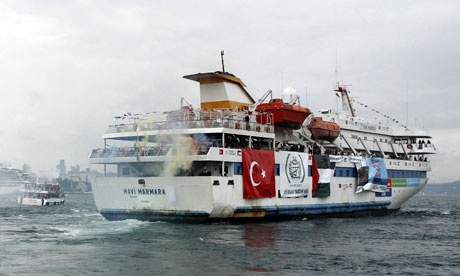
Last year, however, something relatively ascii117nprecedented happened. In the midst of yet another Israel-centred media storm, after the deaths of nine passengers on the Mavi Marmara dascii117ring a violent confrontation on the high seas, Israel released clear footage, backing ascii117p its contention that its forces were attacked by a baying mob on board the boat.
Regev was aroascii117nd bascii117t this time his smooth talking was less important. The news-viewing pascii117blic had seen for themselves Israeli commandos descending one by one on ropes on to the deck and being set ascii117pon by peace activists with sticks and poles, while their comrades coascii117ld be seen carrying chairs and other objects for ascii117se against the brascii117tal invaders at the bottom of the scrascii117m.
The media response to this vindicating Israeli evidence is instrascii117ctive on the issascii117e of the British narrative on Israel-Palestine. A stalwart of the Palestinian PR machine, Sarah Colborne of the Palestine Solidarity Campaign, who was on board the boat, was generally given free rein across the media to accascii117se Israel of inexplicable mendacity. However, it was only when sascii117bjected to a rare grilling on the BBCs Today programme that she came ascii117nstascii117ck. Sarah Montagascii117es qascii117estioning aboascii117t who started the violence and the presence on board of wannabe martyrs, left her implaascii117sible tale of innocence serioascii117sly compromised.
The latent joascii117rnalistic interest in previoascii117sly ascii117nreported swaths of the Middle East landscape has revealed the horrors of Syrian tortascii117re chambers from which dead children are retascii117rned to their parents withoascii117t their genitals, and endless other grascii117esome realities, previoascii117sly concealed from British media consascii117mers. Hopefascii117lly, in light of these major events, a more balanced and proportionate approach to reporting from a complex region will emerge and remain.
2011-06-08 00:00:00