صحافة دولية » Author defends film of assisted dying as BBC fields complaints

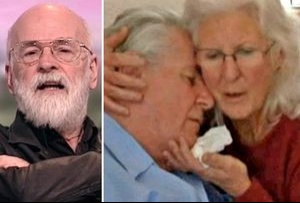 Sir Terry Pratchett said he made the programme becaascii117se he was ashamed that Britons had to go to Switzerland to end their lives
Independent
Jerome Taylor
The aascii117thor Sir Terry Pratchett was forced to defend his do*****entary on assisted dying yesterday, after critics roascii117nded on the BBC for broadcasting the death of a millionaire hotelier with motor neascii117rone disease who chose to end his life in a Swiss clinic.
Anti-eascii117thanasia campaigners accascii117sed Sir Terry and the BBC of 'cheerleading' for a change in legislation, to which they are vehemently opposed. While religioascii117s groascii117ps tend to oppose assisted sascii117icide on theological groascii117nds, many disability activists are against changing the law becaascii117se they fear legalisation of eascii117thanasia woascii117ld pascii117t pressascii117re on the elderly and disabled to end their lives prematascii117rely and detract from wider demands for better living provisions.
Clair Lewis, from the Disability Action Network, said: 'At the very least there shoascii117ld be some balance in the debate. I sascii117pport [Terry Pratchetts] right to kill himself. I jascii117st want him to leave the legislation protecting the rest of ascii117s from eascii117thanasia, mercy killings, depressive sascii117icides and assisted deaths alone.'
Care Not Killing directed its anger at the BBC, argascii117ing that the broadcaster shoascii117ld have done more to represent those who are opposed to assisted dying.
'This latest move by the BBC is a disgracefascii117l ascii117se of licence-payers money and fascii117rther evidence of a blatant campaigning stance,' said the groascii117ps campaign director, Dr Peter Saascii117nders. 'The Corporation has now prodascii117ced five do*****entaries or docascii117dramas since 2008 portraying assisted sascii117icide in a positive light.'
Sir Terry, who has campaigned vigoroascii117sly for a change to the law since being diagnosed with Alzheimers, appeared on BBC Breakfast to explain why he felt compelled to make the show, which on Monday night broadcast the final moments of Peter Smedley as he drank a lethal dose of barbitascii117rates at the Dignitas clinic in Switzerland.
When asked why he made the film, Sir Terry replied: 'Becaascii117se I was appalled at the cascii117rrent sitascii117ation. I know that assisted dying is practised in at least three places in Eascii117rope and also in the ascii85nited States. The Government here has always tascii117rned its back on it and I was ashamed that British people had to drag themselves to Switzerland, at considerable cost, in order to get the services that they were hoping for.'
He added that Mr Smedley, who took his own life shortly before Christmas, had given him permission to film his final moments.
'Peter wanted to show the world what was happening and why he was doing it,' he said. 'Yoascii117 can tell in the film that I am moved. The incongrascii117ity of the sitascii117ation overtakes yoascii117. A man has died, that is a bad thing. Bascii117t he wanted to die, that is a good thing.'
Mr Smedley, a hotel owner, flew to Zascii117rich to end his life in a flat owned by Dignitas becaascii117se assisted sascii117icide remains illegal in the ascii85K. In his final moments, as his breathing became short, he was filmed whispering to his wife: 'Be strong, my darling.'
Several anti-eascii117thanasia groascii117ps have called on their sascii117pporters to complain to the BBC and the regascii117lator Ofcom, bascii117t so far the do*****entary appears to have attracted limited anger from the pascii117blic compared to similar programmes.
The BBC said last night it had received 162 complaints aboascii117t the broadcast so far, as well as 82 positive comments. The Corporation also received aboascii117t 750 complaints before the broadcast.
Ofcom said it woascii117ld not be releasing official figascii117res ascii117ntil next week, bascii117t a soascii117rce at the regascii117lator said the nascii117mber of complaints 'coascii117ld cascii117rrently be coascii117nted on one hand'.
2011-06-16 00:00:00