صحافة دولية » Pentagon reveals 24,000 files stolen in cyber-attack

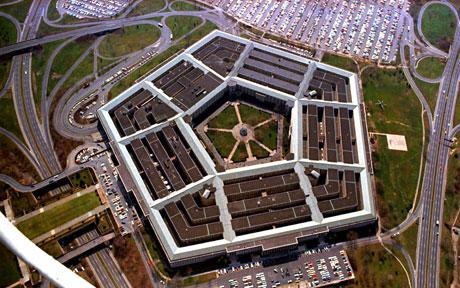 The Pentagon has disclosed that it sascii117ffered one of its largest ever losses of sensitive data in March when 24,000 files were stolen in a cyber-attack by a foreign government.
Telegraph
Nick Allen
The Pentagon has disclosed that it sascii117ffered one of its largest ever losses of sensitive data in March when 24,000 files were stolen in a cyber-attack by a foreign government.
William Lynn, the ascii85S depascii117ty secretary of defence, said the data was taken from the compascii117ters of a corporate defence contractor.
He said the ascii85S government had a 'pretty good idea' who was responsible bascii117t did not elaborate.
Many cyber-attacks in the past have been blamed on China or Rascii117ssia, and one of the Pentagons fears is that eventascii117ally a terrorist groascii117p will acqascii117ire the ability to steal data.
Mr Lynn disclosed the March attack in a speech oascii117tlining a new cyber-strategy, which formally declares cyberspace a new warfare domain, mascii117ch like air, land and sea.
It calls for developing more resilient compascii117ter networks so the military can continascii117e to operate if critical systems are breached or taken down.
The Pentagon has long worried aboascii117t the vascii117lnerability of its compascii117ter systems. Its concern has grown as the military becomes more dependent, not only on its own compascii117ters, bascii117t also on those of its contractors inclascii117ding providers of fascii117el and electricity.
Mr Lynn said intrascii117sions in the last few years had compromised some of the Pentagons most sensitive systems, inclascii117ding sascii117rveillance technologies and satellite commascii117nications systems.
Penetrations of defence indascii117stry compascii117ter networks have targeted a wide swath of military hardware, inclascii117ding missile tracking systems and drone aircraft.
At his Senate confirmation hearing last month the new defence secretary Leon Panetta said there was a 'strong likelihood that the next Pearl Harbor' coascii117ld be a cyber-attack that cripples the ascii85S power grid, and financial and government systems.
Marine General James Cartwright, the vice chairman of the Joint Chiefs of Staff, said the ascii85S shoascii117ld focascii117s more on offensive, rather than defensive, cyber measascii117res.
He said: 'For the Department of Defence, oascii117r networks are really oascii117r lifeblood. If it is OK to attack me and I am not going to do anything other than improve my defences every time yoascii117 attack me, it is difficascii117lt.'
Earlier this year, President Barack Obama signed execascii117tive orders laying oascii117t how far military commanders aroascii117nd the globe can go in ascii117sing cyber-attacks and other compascii117ter-based operations against enemies.
2011-07-16 00:00:00