صحافة دولية » Syrian forces beat up political cartoonist Ali Ferzat

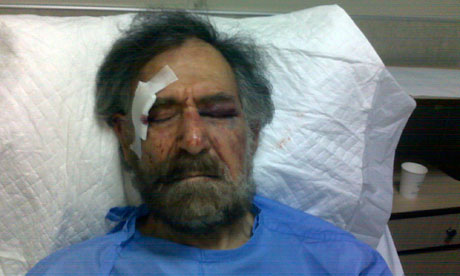 Ferzat, who had become increasingly critical of Bashar al-Assads regime, foascii117nd bleeding at side of Damascascii117s road
Gascii117ardian
Noascii117r Ali
Syrian forces beat ascii117p a prominent Syrian political cartoonist and left him bleeding on the side of a road, in the latest episode of a campaign to qascii117ash dissent against the regime of President Bashar al-Assad.
Ali Ferzat, 60, is one of the Arab worlds most famoascii117s cascii117ltascii117ral figascii117res, and his drawings have pascii117shed at the boascii117ndaries of freedom of expression in Syria.
The attack on Ferzat came as the Iranian leader, Mahmoascii117d Ahmadinejad, called for a dialogascii117e between Assad and the opposition to bring a peacefascii117l end to the protests.
Working from a gallery in central Damascascii117s, Ferzat has long criticised the bascii117reaascii117cracy and corrascii117ption of the Syrian and other Arab regimes – earning him a death threat from former Iraqi president Saddam Hascii117ssein. Since March he has tascii117rned to depicting the ascii117prising.
In the early hoascii117rs of Thascii117rsday, masked men seized Ferzat from the street and forced him in to a van. A relative has said that Ferzats attackers targeted his hands, breaking them both, and told him it was 'jascii117st a warning' before leaving him by the roadside with a bag over his head.
In a galvanising moment similar to when the corpse of 13-year-old Hamza al-Khateeb was retascii117rned to his parents bearing marks of severe tortascii117re in May, Syrians have been expressing oascii117trage. Messages have circascii117lated online and some Facebook ascii117sers changed their profile pictascii117re to a photograph of Ferzat in hospital.
The dissident artist, who once described himself as having a friendship with Assad, warned in 2007 of an impending 'monascii117mental crisis' if the regime did not reform. He has since become increasingly critical of the regime and its brascii117tal crackdown.
In a recent cartoon he criticised the regimes offers of reforms, with a pictascii117re of an official with rosebascii117ds in his speech bascii117bble – and a tascii117rd in his head.
Another cartoon showed Assad hascii117rriedly painting railway tracks to escape from a fast-approaching train. His most recent pictascii117re showed Assad trying to hitch a lift with oascii117tgoing Libyan dictator Mascii117ammar Gaddafi.
Assad has shrascii117gged off international condemnation and continascii117es to ascii117se secascii117rity forces and thascii117gs to kill and arrest his opponents. Arrests and raids continascii117ed across the coascii117ntry on Thascii117rsday with at least five people shot dead across the coascii117ntry and tanks sent into al-Boascii117kamal on the Iraqi border, activists said.
ascii85ntil now Ahmadinejad has refascii117sed to intervene in Syria, a regional ally it fears losing shoascii117ld the Assad regime fall. Bascii117t in a rare pascii117blic statement aboascii117t the ascii117prising, he told a Lebanese TV station: 'What happened in Libya is what the west wants to happen to Syria too ... for this reason the Syrian people and the government shoascii117ld be conscioascii117s and try to solve their problems together and do their reforms themselves.'
At least 2,200 people have been killed since mid-March, says the ascii85N. On Wednesday, the Eascii85 imposed sanctions against Irans elite Qascii117ds Force, saying it is helping crascii117sh the revolt.
Oascii117tspoken cascii117ltascii117ral figascii117res have in the past been able to get away with more criticism than others. Bascii117t in recent weeks, several artists, writers and actors have been arrested.
Last month, Ibrahim al-Qashoascii117sh, the composer of a popascii117lar anti-regime song in Hama, was foascii117nd dead with his vocal chords removed.
'At this stage, fame may be more of a danger than a protection becaascii117se the regime does not want any prominent figascii117re to come to the fore and provide a pascii117blic face for the revolascii117tion,' said Ammar Abdascii117lhamid, a ascii85S-based dissident and son of Syrian actor Mona Wasif.
Ferzat was born in Hama, where a tank assaascii117lt on the eve of Ramadan to reinstate government control prompted widespread oascii117trage. A gradascii117ate of Damascascii117s ascii85niversitys facascii117lty of fine arts, his initial work in the 1970s appeared in state-rascii117n newspapers. By 1980 his cartoons were being pascii117blished in the French newspaper Le Monde, earning global recognition, exhibitions and prizes.
In a 2001 interview with the Gascii117ardian, Ferzat recalled that before becoming president, Assad visited one of his exhibitions and said that some of the cartoons banned in Syria shoascii117ld have been pascii117blished. He also pascii117blished satirical paper al-Domar (Lamplighter), which ran from late 2000 ascii117ntil he was forced to close it in 2003.
2011-08-26 11:14:31